

Flood restoration
They responded within an hour after the flood. The crew was professional, fast, and explained everything. They dried the house, cleaned every room, and handled the insurance too. We couldn’t ask for better service.
Carla M.
Our water damage prevention services focus on minimizing additional damage quickly and effectively.
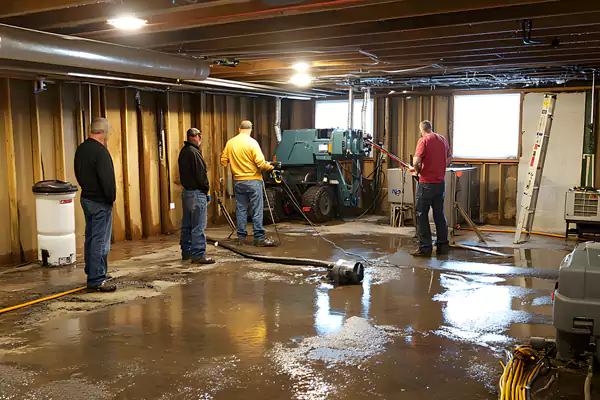
Water can travel fast through drywall, insulation, flooring, and framing, and trapped moisture can trigger secondary damage when you delay drying. The EPA explains that when you dry wet or damp materials within 24 to 48 hours after a leak or spill, mold will not grow in most cases. After rain or floodwater enters a building, the CDC advises cleaning and drying wet items within 48 to 72 hours to help prevent mold. That timeline is why we treat water mitigation as urgent in Highland Village.
Water mitigation focuses on stopping water from spreading and limiting further damage right after a leak, flood, or moisture intrusion. We take action beyond surface water removal by locating hidden moisture, controlling humidity, drying structural materials, and using preventative treatments that reduce the risk of mold, rot, and structural deterioration.
We align our work with recognized restoration standards. The ANSI/IICRC S500 Standard describes the procedures and precautions used when performing professional water damage restoration in buildings and contents, and that standard supports consistent decisions about drying, safety, and documentation during mitigation.
Water problems rarely wait for business hours, so we stay available 24/7 for emergency water mitigation in Highland Village. When you contact us, we focus on quick stabilization, moisture control, and a clear plan that moves the property into drying as early as conditions allow. Call (214) 935-5276 or request service online to schedule your free mitigation assessment.
We mitigate common water-loss situations and moisture intrusion problems, including:
 Burst pipes and appliance leaks
 Roof or window leaks
 Overflowing sinks, toilets, or tubs
 Heavy rains and flash flooding
 HVAC condensation issues
If moisture reaches drywall, flooring, insulation, cabinets, or enclosed wall spaces, visible water removal does not finish the job. We track the moisture you cannot see and dry it in a controlled way so the damage does not continue behind walls or under floors.
When you request water mitigation services, we follow a clear step-by-step workflow designed to control moisture and protect the structure.
We inspect affected areas and map moisture using tools like thermal imaging and moisture meters so we can locate both visible and hidden water and build the right mitigation plan.
We isolate affected areas to help prevent damage from spreading into clean spaces. When needed, we use containment barriers and negative air pressure systems and keep the worksite aligned with safety-focused practices while mitigation is in progress.
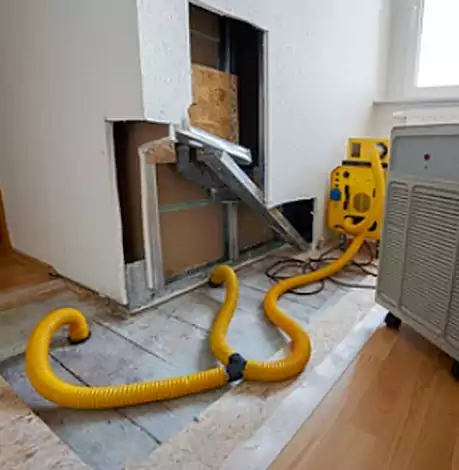
We remove standing water when present, then we dry materials with high-velocity air movers and commercial-grade dehumidifiers. We monitor drying progress to confirm moisture levels continue moving toward dry conditions.
When conditions require it, we apply EPA-approved antimicrobial agents and use HEPA air scrubbers to support indoor air quality during mitigation.
We document moisture readings and job progress with photos and reports that support insurance claims and next-step planning.
Moisture control drives outcomes after a water event. The EPA explains that drying wet or damp materials within 24 to 48 hours after a leak or spill prevents mold growth in most cases. OSHA also emphasizes that a prompt response within that same time window, plus thorough cleanup, drying, and/or removal of water-damaged materials, will prevent or limit mold growth. For rain or floodwater entry, the CDC advises cleaning and drying wet items within 48 to 72 hours to help prevent mold.
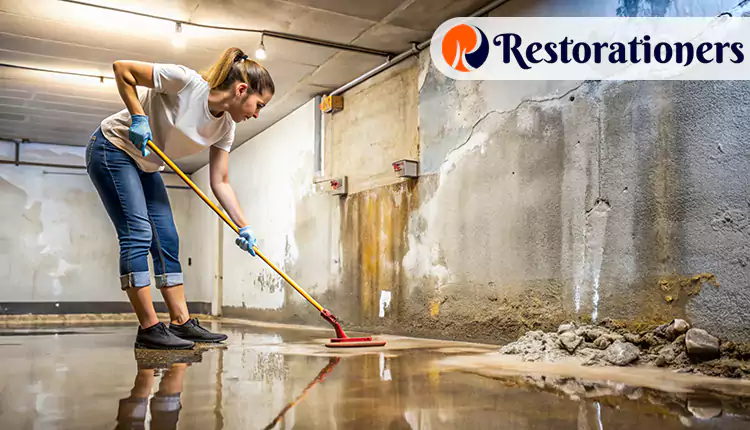
Water mitigation stops additional damage and controls moisture right away. Water restoration begins after mitigation and focuses on rebuilding, replacing damaged materials, and completing repairs that return the property to a safe, usable condition. We start with mitigation first so the damage does not grow while you wait for repairs.
Flood cleanup can involve exposure risks, so safety matters. EPA flood cleanup guidance recommends wearing an N-95 respirator, goggles (without vent holes), and gloves during cleanup. If you suspect contamination, sewage involvement, or electrical hazards, step back and let trained professionals handle controlled cleanup, drying, and stabilization.
Water losses can feel overwhelming, especially when insurance paperwork starts. We provide mitigation documentation and reporting, including moisture readings and photo evidence, so you can support the claim process with clear records. Coverage varies, so confirm scope and requirements with your insurance provider before work begins.
If you have active water intrusion, standing water, or damp building materials, do not delay. Call RESTORATIONERS at (214) 935-5276 for 24/7 emergency water mitigation in Highland Village, and schedule your free mitigation assessment so we can start containment and drying right away.
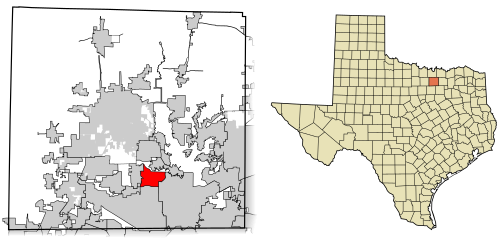
Highland Village is a city in Denton County, Texas, United States. It is a suburb of Dallas and Fort Worth, located on the south side of the far western branch of Lewisville Lake. As of the 2020 United States census the city's population was 15,899.
Quick action is critical after water damage. Our team in Highland Village uses proven methods to stop water in its tracks and prevent further damage. RESTORATIONERS is your reliable local partner for fast and effective water mitigation.
Years
Experience
Water mitigation is the process of reducing and preventing further water damage after a leak or flood using drying, cleaning, and structural protection techniques.
Ideally, water mitigation should start within 24 hours to prevent mold growth, structural issues, and costly repairs.
Mitigation stops further damage, while restoration focuses on repairing and returning the property to its original condition.
Most homeowners' insurance policies cover sudden water damage and mitigation costs, but coverage varies based on the cause of the damage.
Minor issues may be handled DIY, but professional services are recommended for thorough drying, mold prevention, and long-term safety.
Toll Free Number
(833) 486-0453Local Highland Village
Restoration