What Exactly Is Water Mitigation?
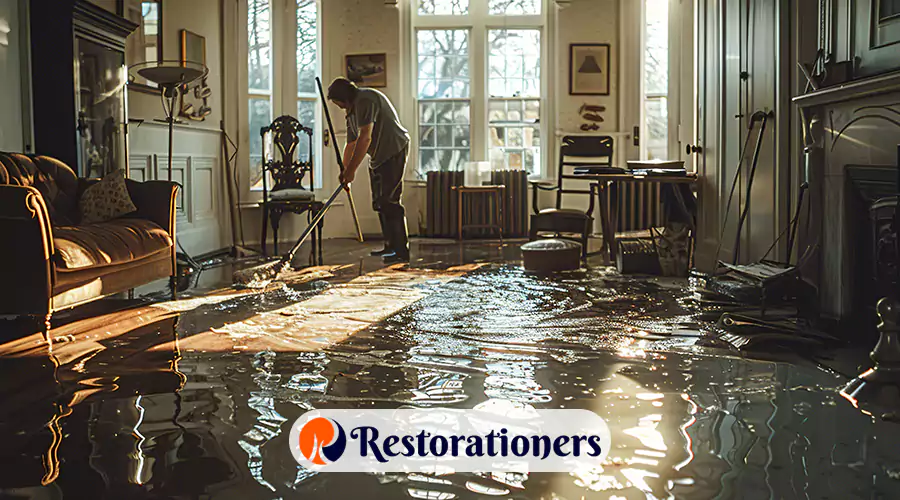
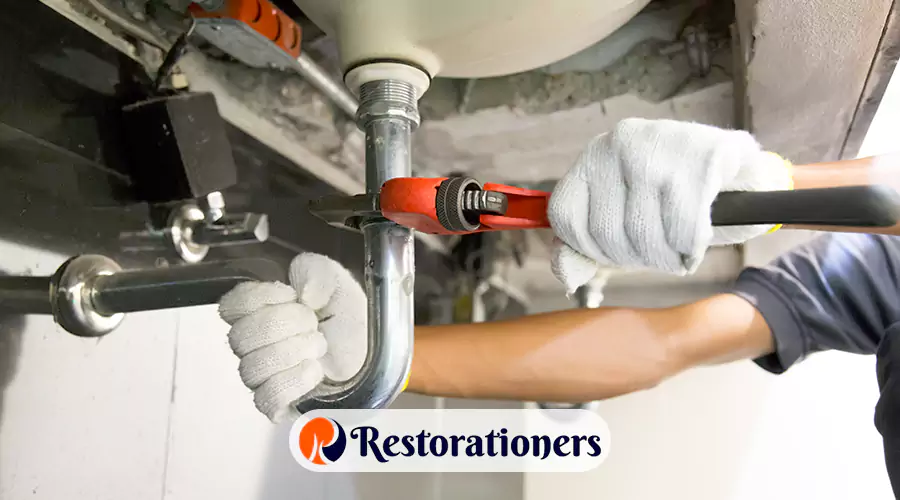
When water invades your home from a burst pipe, severe storm, or faulty appliance, the immediate response is crucial. This urgent process is known as water mitigation, the systematic act of reducing or preventing the amount of water damage after a leak or flood. Unlike simple cleanup, professional water mitigation involves a series of rapid, technical steps designed to secure your property, extract water, and begin the drying process to prevent secondary damage like mold growth and structural decay. It is the essential, emergency foundation upon which all subsequent water damage restoration is built.
Understanding the distinction between water mitigation and restoration is vital for any homeowner. Water Mitigation is the emergency water stopgap while water restoration is the comprehensive water repair and return to pre-loss condition. By acting swiftly with professional water mitigation, you can dramatically reduce the overall cost, complexity, and health risks of a water damage event
Water mitigation is the critical first response that stabilizes damage, controls moisture, and protects property before full restoration begins.John Davis
The Urgent Steps of Professional Water Mitigation
A certified water damage mitigation company follows a science-based protocol, often aligned with the IICRC (Institute of Inspection, Cleaning and Restoration Certification) standards. Here is what you can expect during this critical phase:
1. Find the Water Source and Damage Assessment
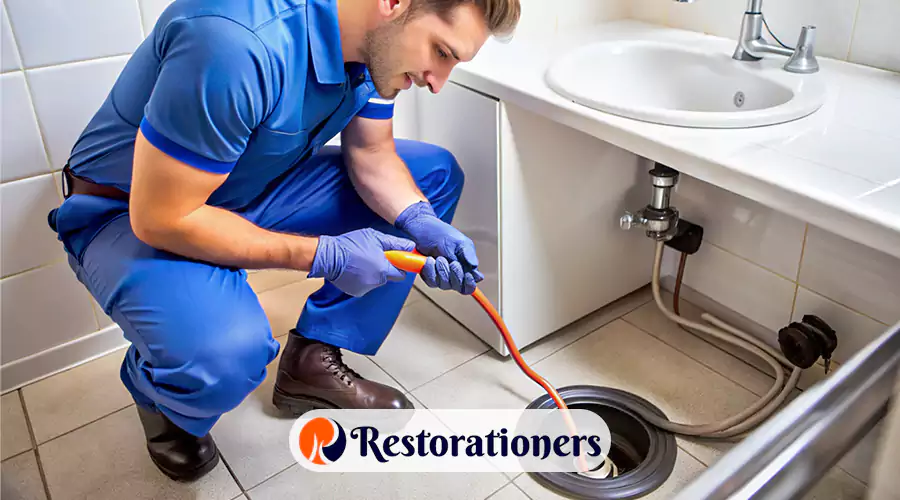
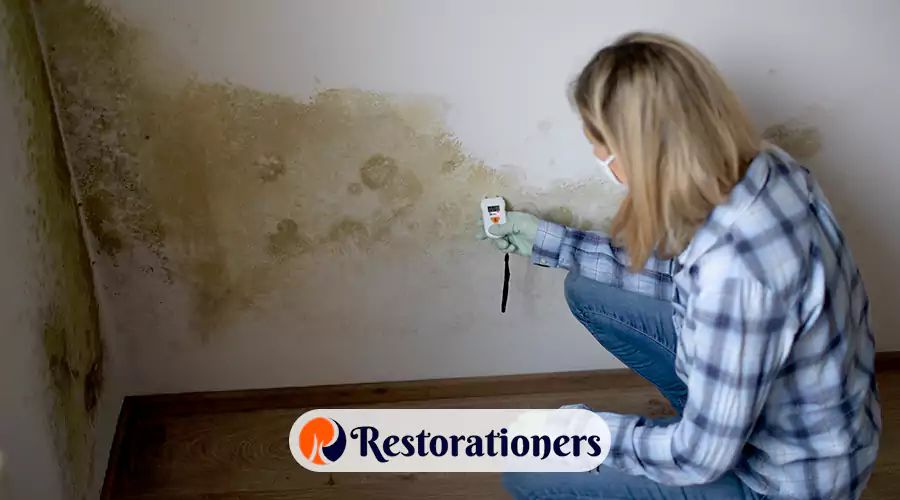
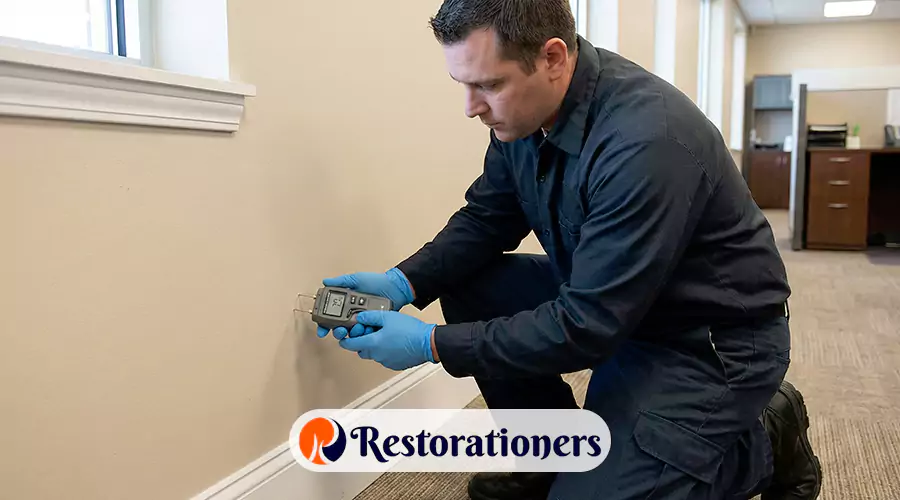
The process begins the moment you call a 24/7 emergency water mitigation service. A rapid response is non-negotiable, as water continues to spread and absorb into materials every minute. Certified technicians arrive promptly to perform a thorough inspection, using moisture detectors, hygrometers, and thermal imaging cameras to map the full extent of saturation, even in hidden cavities like inside walls or under floors.
2. Immediate Water Removal/Extraction
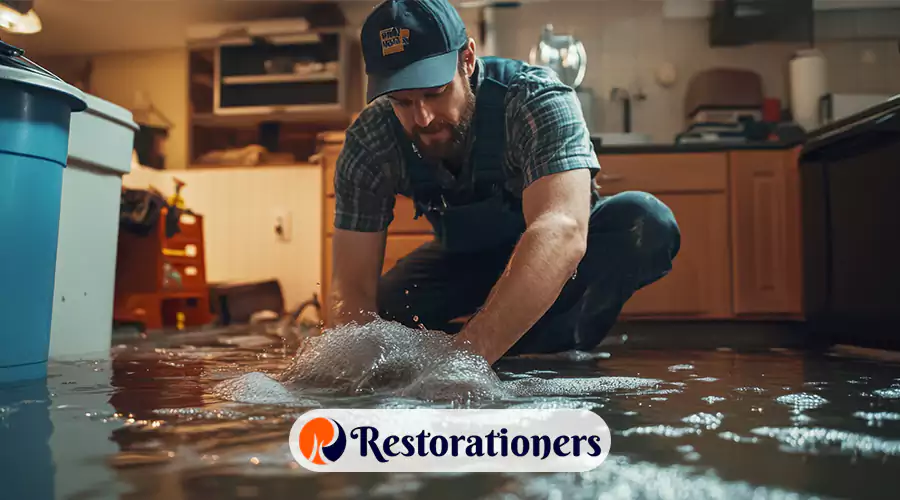
Using industrial-grade, truck-mounted or portable submersible pumps and wet-dry vacuums, technicians begin the bulk water mitigation. This step removes the standing water you can see, a process far more powerful and efficient than any consumer-grade equipment.
3. Controlled Demolition & Content Management
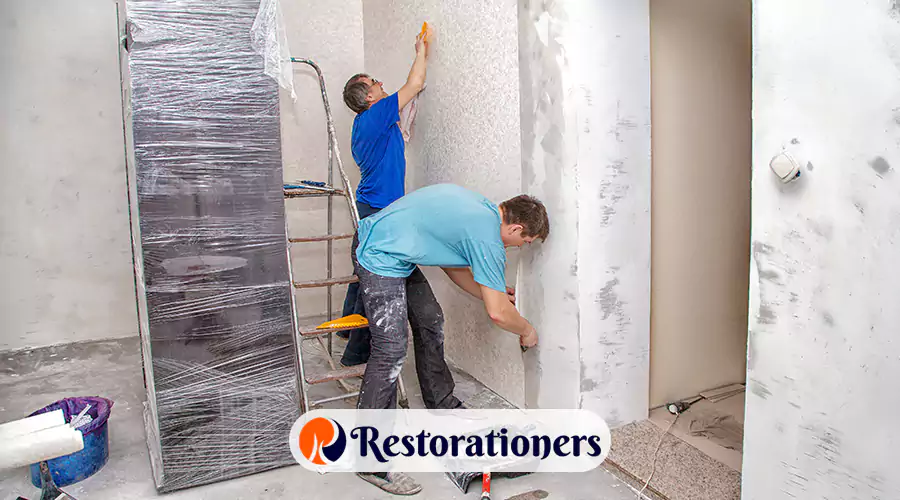
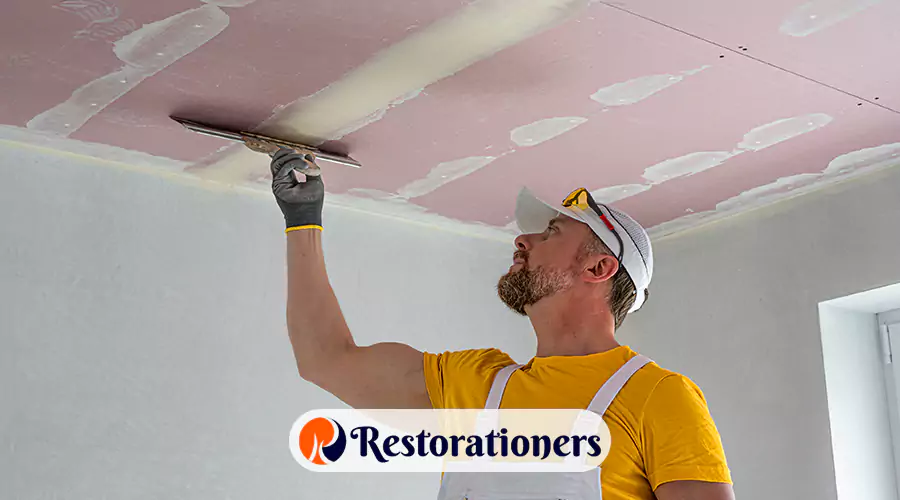
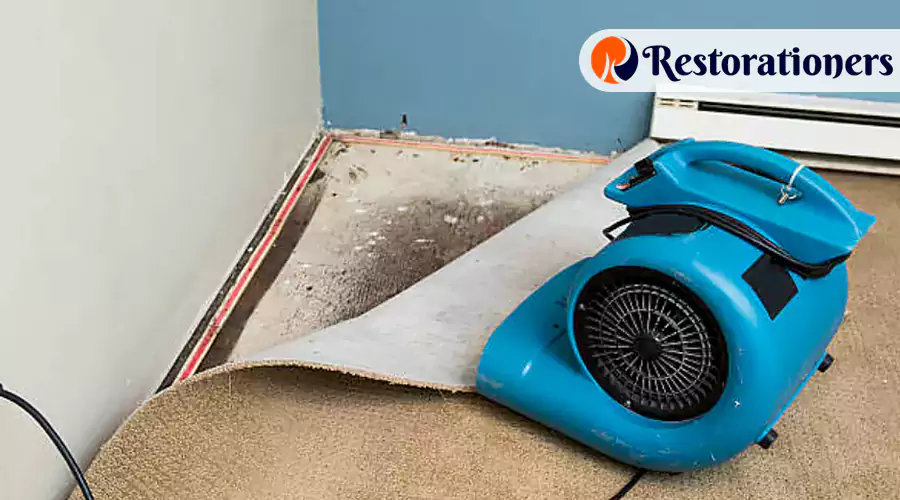
Not all materials can be saved. To prevent microbial growth and allow proper drying, technicians may perform controlled demolition , such as removing sections of water-logged drywall, cutting out damaged carpet pads, or pulling up flooring. They will also remove and inventory your personal property for cleaning, drying, and storage.
4. Intensive Drying and Dehumidification
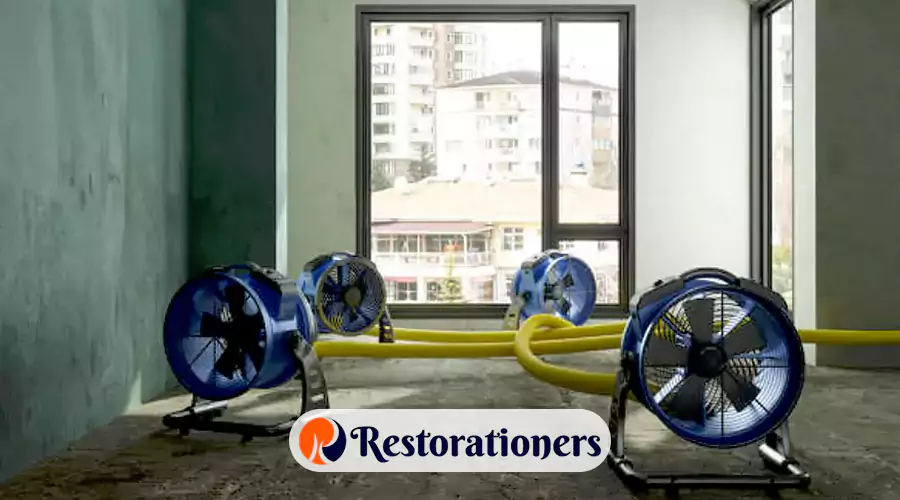
After bulk water is removed, the hidden moisture remains. This is where advanced drying begins. Industrial-strength air movers (high-velocity fans) create evaporation, while commercial dehumidifiers, both refrigerant and desiccant models, capture the evaporated moisture from the air. This creates a controlled water drying environment monitored daily with moisture meters to ensure materials return to acceptable dryness standards.
5. Cleaning, Sanitizing, and Mold Prevention
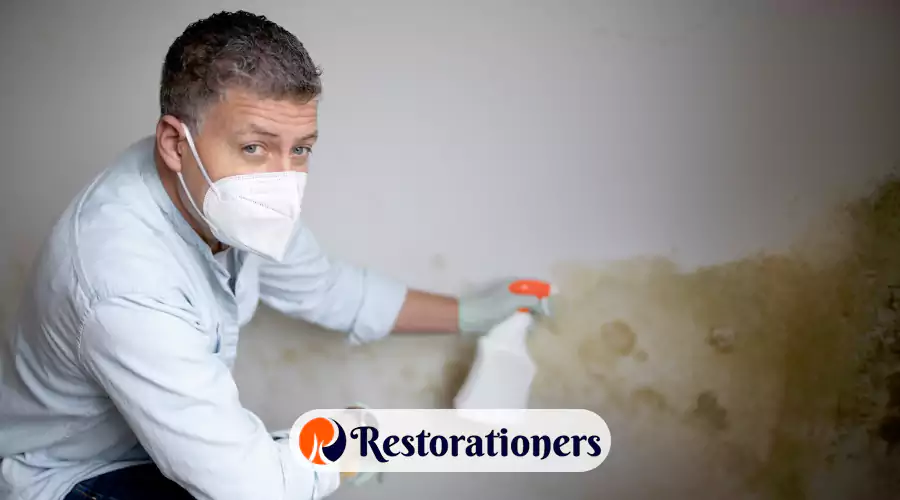
Water, especially grey water (from appliances) or black water (sewage or flood water), carries contaminants. The water mitigation process includes antimicrobial treatments and cleaning of salvageable surfaces and contents to inhibit mold, bacteria, and foul odors. This step is critical for indoor air quality and health and safety.
6. Continuous Monitoring and Documentation
Technicians will monitor the water drying progress daily, adjusting equipment as needed. They also provide detailed documentation, including photos and moisture logs, which are essential for filing a successful homeowners insurance claim.
Why Professional Mitigation is Non-Negotiable?
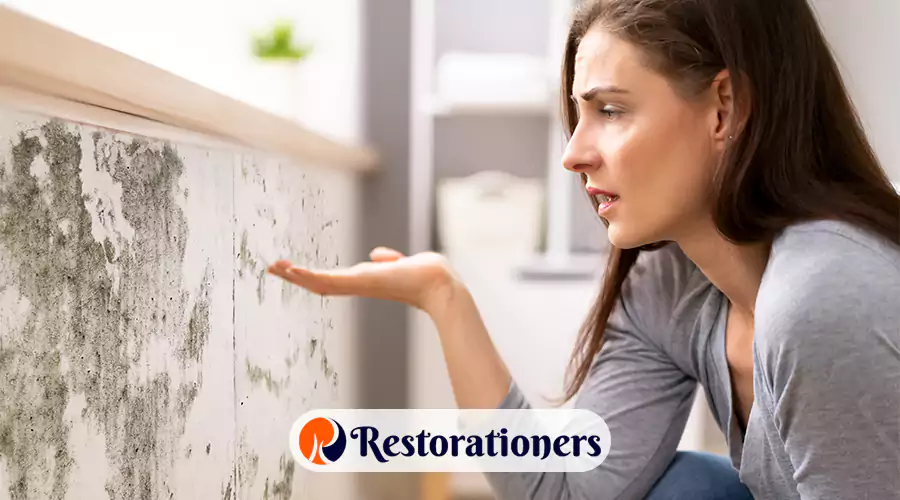
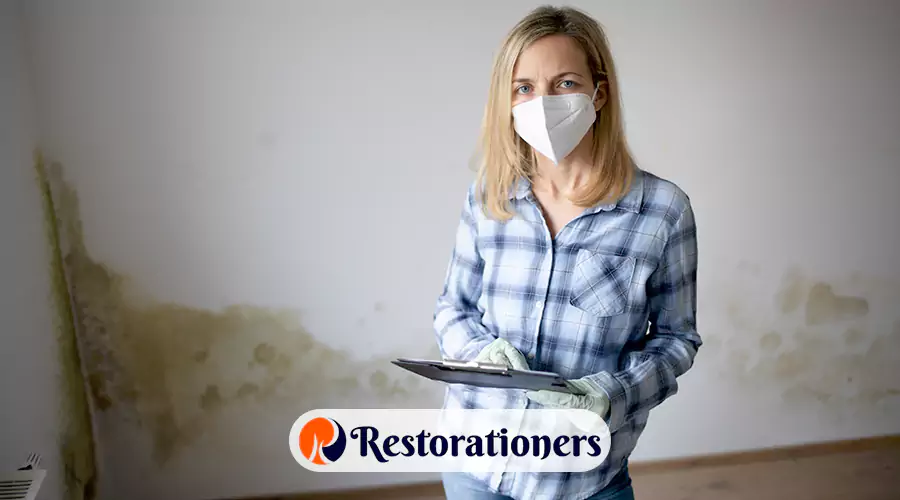
- Prevents Toxic Mold Growth: Mold can begin to colonize in 24-48 hours on wet surfaces. Professional water drying eliminates the moisture mold needs to thrive.
- Preserves Structural Integrity: Wood swells, drywall disintegrates, and metal fasteners corrode. Rapid water drying saves the bones of your home.
- Protects Your Health: Category 2 and 3 water (grey/black water) contain dangerous pathogens. Water Mitigation Company Professionals have the PPE and EPA-registered antimicrobials to safely address biohazards.
- Saves You Money: By minimizing secondary damage, you reduce the water restoration cost of necessary repairs. It also supports a smoother insurance claims process.
- Salvages Personal Belongings: Quick action can save irreplaceable items like furniture, documents, and heirlooms that would otherwise be total losses.
Water Mitigation and Your Insurance Claim
Most standard homeowners insurance policies cover sudden and accidental water damage (like a burst pipe). However, they often require the policyholder to take "reasonable steps" to mitigate further loss. This makes professional water mitigation not just a practical choice, but often a contractual one. Reputable water mitigation companies work directly with your insurance adjuster, providing the necessary documentation to streamline your claim and ensure you receive the full benefits of your coverage.
Crucial Note: Damage from lack of maintenance or gradual leaks is typically not covered, and standard policies exclude flood damage (rising water from outside). This requires separate flood insurance from the NFIP.
Choosing a Trusted Water Mitigation Partner
- 24/7 Emergency Service: Disasters don’t keep business hours.
- IICRC Certification: The industry standard for training and expertise.
- Strong Local Reputation: Check online reviews and BBB ratings.
- Clear Communication: They should explain the process and water damage repair costs transparently.
- Insurance Claims Expertise: They should be willing to coordinate directly with your insurer.
The Bottom Line: Act Fast, Mitigate First
Water mitigation is the decisive, immediate action that stands between a manageable water incident and a catastrophic, costly, and unhealthy disaster. It is a technical, rapid-response process that stabilizes your property, safeguards your health, and preserves your financial investment. By understanding its importance and partnering with certified water restoration professionals at the first sign of significant water intrusion, you take the most powerful step possible in reclaiming your home and your peace of mind.
Remember: When water strikes, time is the enemy. Your action plan is simple: 1) Ensure safety, 2) Stop the source if possible, 3) Call a certified water mitigation professional immediately. This swift response is your best defense against the cascade of problems that follow water damage.
 Select Location