Panic is natural when a pipe bursts, and making the wrong choices may result in a disaster that is expensive to manage. You may be a first-time homeowner or an old-time property owner but you should know what not to do in case of a plumbing failure as much as you should know the right way to do it. By taking timely actions, keeping up to date and avoiding common plumbing mistakes, you can save thousands of dollars in repair bills and protect your home from long-term issues later, such as molds, structural damage and residual humidity.
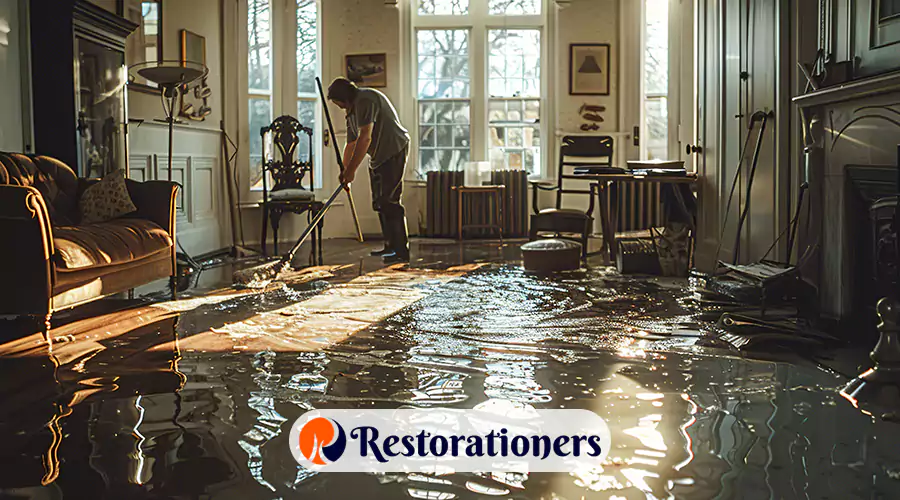
A burst pipe is not a simple nuisance. Water is very fast spreading in flooring, drywall, insulation, and cavities. The small damage can cause a massive restoration activity within hours. That is why it is necessary to know how to act and what traps to avoid.
The following are the ten most common mistakes that homeowners make after a burst of a pipe and how you can work with a professional to reduce the losses and protect your house.
1. Delaying the Water Shut-Off
Not switching off the main water shut-off valve right away is one of the most harmful errors. Water Leak Detection Services helps you react faster and avoid delays. A couple of minute’s hesitation can cost you gallons of water that will flood your house.
What to do:
Find out where your main shut-off valve is beforehand and practice closing it. This one action is a major way of minimizing the possible water damage and buying time to make the required repairs.
2. Failing to Call a Professional Plumber Quickly
Most house hold owners will make short-term solutions or even hope that they will handle the issue in the future. Unluckily, buried leaks, broken fittings, and internal pipe breakdowns may still go on damaging behind the walls.
What to do:
Immediately call a licensed plumber. A professional will be able to calculate the extent of the damage and carry out safe repairs, as well as prevent mold or further water outbreak.
3. Neglecting Electrical Safety
Electricity and water are not a good combination. One of the major mistakes is to enter flooded rooms without thinking of their electrical safety.
What to do:
Before entering or initiating clean up, turn off the electrical power in the affected areas. This avoids electrocution, short circuiting and possible conflagration.
4. Ignoring Structural Damage
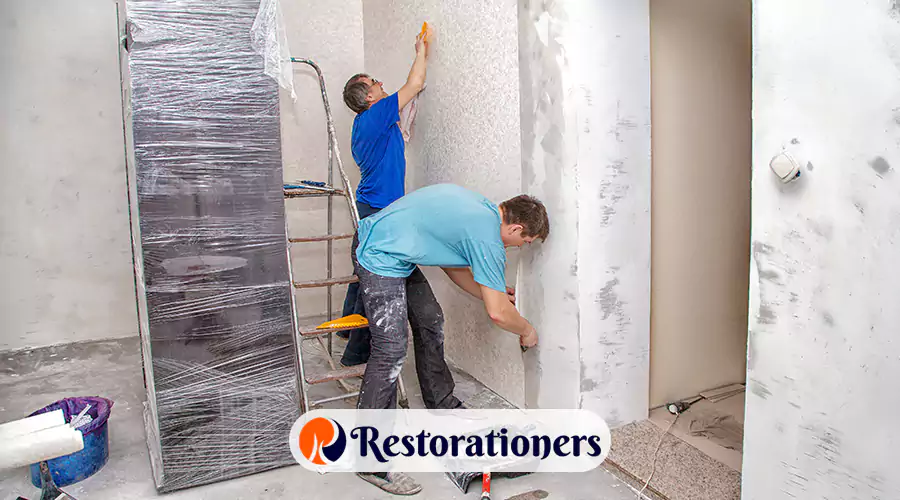
Saturated walls, ceilings, and flooring may further weaken even after all visible water has been removed. Once the area appears dry, homeowners tend to believe that it is alright.
What to do:
Check with a contractor or restoration specialist on warped materials, soft spots, and broken drywall. Record everything as an insurance claim.
5. Postponing the Insurance Claim
One of the most expensive errors is to wait too long to inform your insurer. A pipe burst insurance claim also involves immediate reporting and proper documentation of the same to claim the insurance.
What to do:
Make photographs, save receipts and contact your insurer in 24 hours. When you report early, you are most likely to get the claim approved easily.
6. Trying to Do Diy Repairs Without Appropriate Knowledge
Most homeowners attempt DIY repairs in a bid to save money. Unluckily, inappropriate sealants, fittings, or installations may cause the situation to be much worse.
What to do:
Repair should be left to qualified experts. Unprofessional DIY job may nullify the insurance policies and result in leaks or broken pipes.
7. Replacing Household Fans with Proper Drying equipment
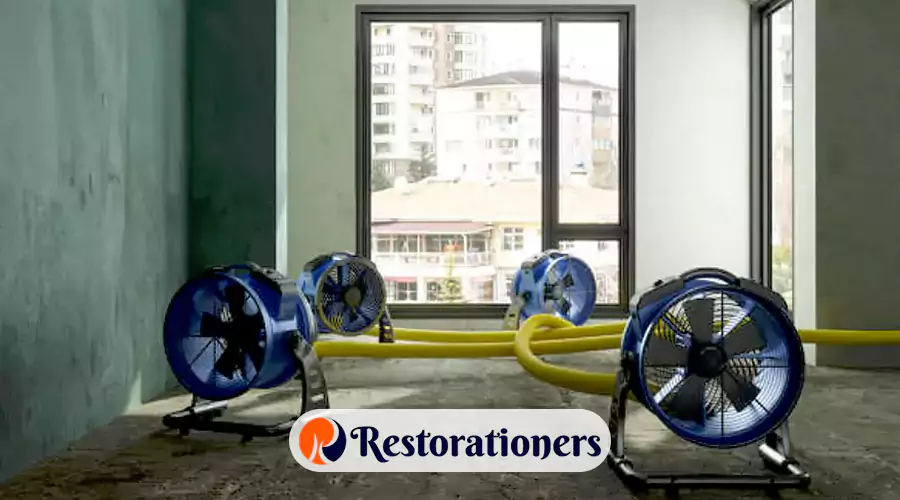
The biggest myth is that having a few fans operating will completely dry the area. Household fans can merely remove the water on the surface, and the moisture that remains in houses in walls, subfloors, and insulation is the ideal place in which molds proliferate.
What to do:
Install industrial dehumidifiers, air movers or contact a Water Damage Restoration Service Company to be sure that all moisture is removed.
8. Ignoring Mold Risks
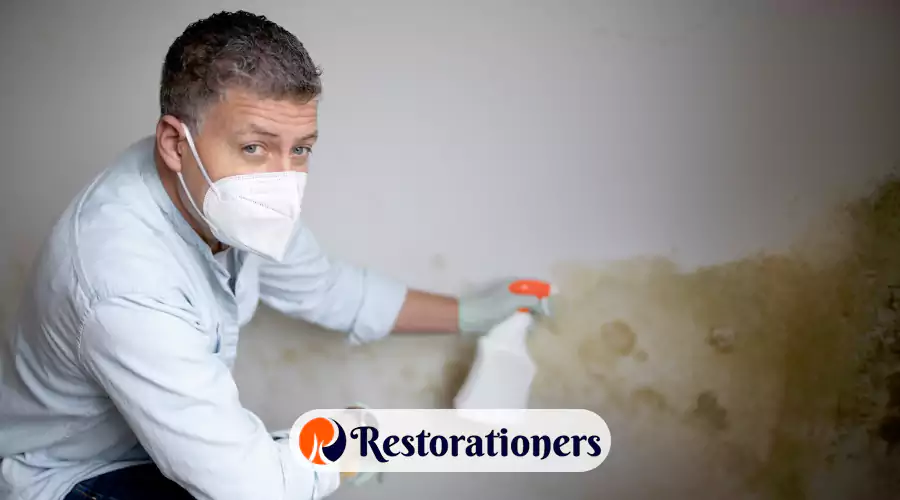
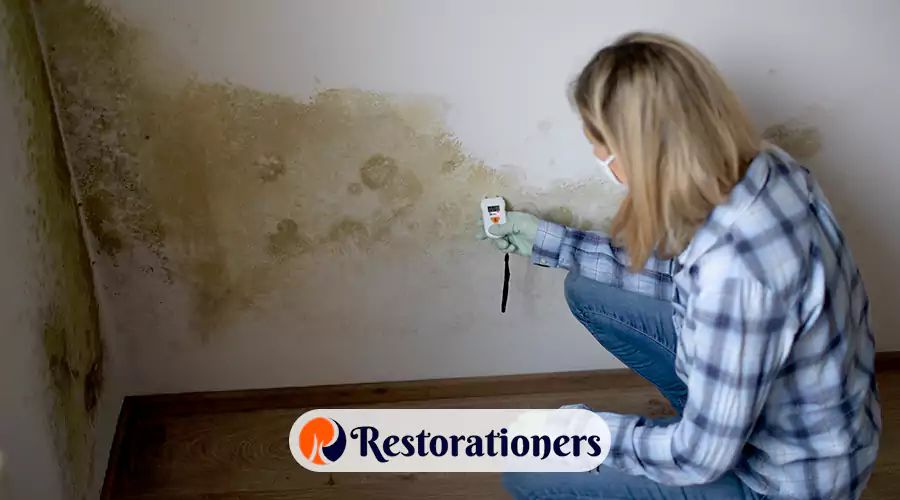
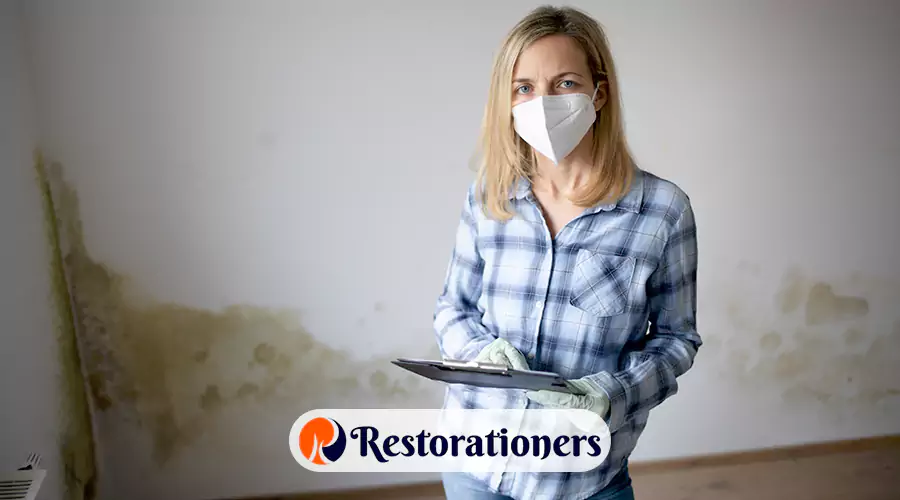
Mold will start growing in 24-48 hours of pipe busting. Most of the homeowners do not realize the initial indicators such as musty stench, discoloration, or dampness.
What to do:
Mold inspection is an action that should be scheduled in the course of the restoration process. Correct remediation cushions your home as well as your health.
9. Poor Documentation of Damage and Repairs
Failing to take thorough photos and notes is a common reason insurance claims get delayed or denied.
What to do:
Create a photo and video log of all damage, cleanup steps, and professional services. Keep every invoice, quote, and communication with contractors and insurance adjusters.
10. Neglecting Future Prevention Measures
Once the chaos is over, many homeowners forget to address the underlying problem. Without preventive measures, another pipe burst could happen again.
What to do:
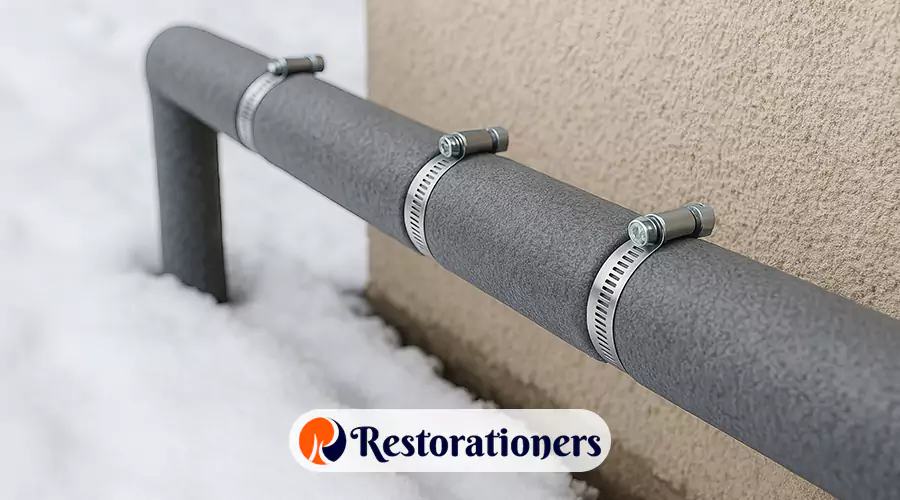
Install water leak detectors, insulate exposed pipes, regulate water pressure, and schedule annual plumbing inspections. Prevention saves thousands in future repair costs.
Essential Checklist: Immediate Actions after a Pipe Burst
- Disengage the main water valve- This eliminates the flooding.
- Turn off power in the affected places -This eliminates the risk of electrocution.
- Contact a licensed plumber- They will be able to detect and fix the problem appropriately.
- Start water extraction - Removing water early minimizes damage in the long run.
- Record all details to make an insurance claim- Photos and notes will help in approval of claims.
- Install dehumidifiers- Dehumidifiers help to remove latent moisture.
- Check molding- It avoids health complications in the future.
- File your pipe burst insurance claim fast - Prevents refusal or unwarranted postponements.
- Repair and insulate pipes- Helps to avoid the recidivating of the problem.
- Test your emergency plumbing plan -Ensures it is quicker and more efficient next time.
Bonus: Expert Tips to Prevent Future Pipe Bursts
Professionals recommend:
- Inspecting aging or corroded pipes annually
- Installing a water pressure regulator
- Using PEX piping in cold climates
- Protecting exterior pipes with proper insulation
- Keeping home temperatures above freezing during winter
These steps form a long-term defense against water disasters.
Common Myths about Pipe Bursts — Debunked
Myth 1: It’s just a small leak.
Fact: Minor leaks are common before serious pipe problems.
Myth 2: No insurance will cover this.
Fact: The majority of policies cover the sudden and accidental pipe bursts - always review your policy.
Myth 3: When I wipe the water, it will be dry.
Fact: Moisture that is trapped on the walls should be dried professionally to prevent molds.
Quick Table: Mistakes vs. Prevention Steps
| Mistake |
Prevention |
| Delay in shutting off the water |
Know where the valve is and practice |
| Ignoring electrical risks |
Shut off power in flooded zones |
| Not calling a plumber |
Hire a licensed professional |
| DIY plumbing fixes |
Avoid unless trained |
| Late insurance filing |
Submit within 24 hours |
| Relying on fans |
Use dehumidifiers |
| Overlooking mold |
Schedule inspections |
| Poor documentation |
Photograph and log everything |
| No long-term prevention |
Install smart leak detectors |
Final Thoughts
Mopping up the water is not the only way to deal with a burst pipe; it needs a quick reaction, informed judgment and prevention strategy. By simply avoiding the above-described plumbing pitfalls you will not only save money in repairs but will also save the structural integrity of your home and the health of your family.
With this guide, proactivity, and cooperation with competent professionals, you can manage an unfortunate emergency into a controlled and consistent situation.
Should a pipe ever burst in your house, use this guide to stay calm, act correctly and avoid permanent water damage.
 Select Location