Discovering and repairing hidden moisture in your walls is a critical step before listing your home. Undetected moisture can lead to mold growth, structural damage, and failed inspections, cause deal breakers for potential buyers and costly surprises during the sale process. This guide provides a clear, step-by-step approach to identify moisture sources, implement effective repairs, and document your actions to ensure your home passes inspection with confidence and maintains its market value.
“Lorem ipsum dolor sit amet, consectetur adipisicing elit, sed do eiusmod tempor incididunt ut labore et dolore magna aliqua..”John Davis
Why Detecting Hidden Moisture in Walls is Crucial Before Selling Your Home
Detecting hidden moisture in walls is essential for maintaining the integrity of your home and ensuring a successful sale. Moisture buildup, whether from leaks, high humidity, or storm damage, can lead to significant structural issues and mold growth, which may deter potential buyers. Water damage can weaken the foundation of your home, ruin insulation, and cause drywall to warp, leaving long-lasting impacts. Before listing your property, addressing hidden moisture helps to prevent these costly repairs and ensures your home is in optimal condition for sale. Identifying and repairing moisture problems not only improves your home's value but also offers peace of mind to buyers, knowing they won’t inherit expensive, unseen damage.
Common Signs of Hidden Moisture in Walls: What to Look For
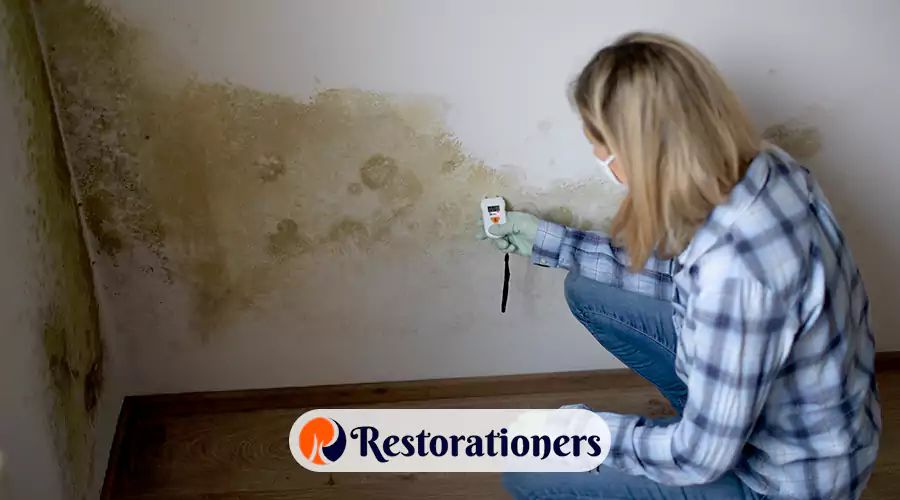
Recognizing the signs of hidden moisture in your walls is crucial for timely repairs and preventing further damage. Some common indicators include soft walls, water stains on walls or ceilings, and peeling paint or wallpaper. If you notice a musty odor, it could be a sign of mold hidden within the walls. Condensation on windows or cold, damp spots on walls may indicate humidity in walls. In some cases, moisture buildup can cause drywall to swell or sag, which signals a water leak behind the wall.
How to Find Moisture Behind Drywall and Walls in Your Home
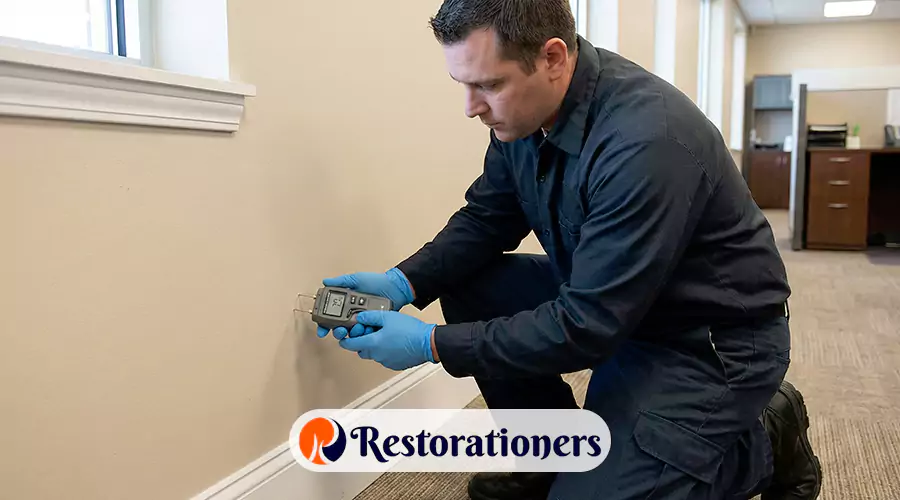
Finding moisture behind drywall and walls requires careful inspection and the right tools. One of the most effective methods is using a moisture meter, which detects moisture levels within the walls without causing damage. You can also look for physical signs, such as discolored spots, bubbling paint, or sagging drywall. Another way to locate hidden moisture is by performing a water leak detection test, where you check for water stains or puddles in areas where moisture may be trapped. If you suspect a hidden water leak, inspect common sources such as plumbing pipes, windows, and roofs. A professional moisture inspection can provide a more thorough assessment, identifying even the most well-hidden sources of water and moisture behind drywall.
Tools and Techniques for Moisture Detection: Moisture Meters and Leak Detection Devices
Detecting moisture in walls requires specialized tools and techniques to ensure accurate results. A moisture meter is one of the most reliable devices for detecting hidden moisture behind drywall and in other building materials. These meters measure the moisture content in materials like wood, drywall, and concrete, helping identify areas with elevated moisture levels that may not be visible. Another essential tool is a leak detection device, which can pinpoint water leaks in plumbing or behind walls, especially in areas that are difficult to access. Infrared cameras are also used to detect temperature differences in walls, highlighting areas where moisture is present. These advanced tools allow homeowners and professionals to efficiently identify the source of water leaks, such as hidden water leaks, roof leaks from inside, or water leaks around windows, providing a precise solution for moisture removal and repair.
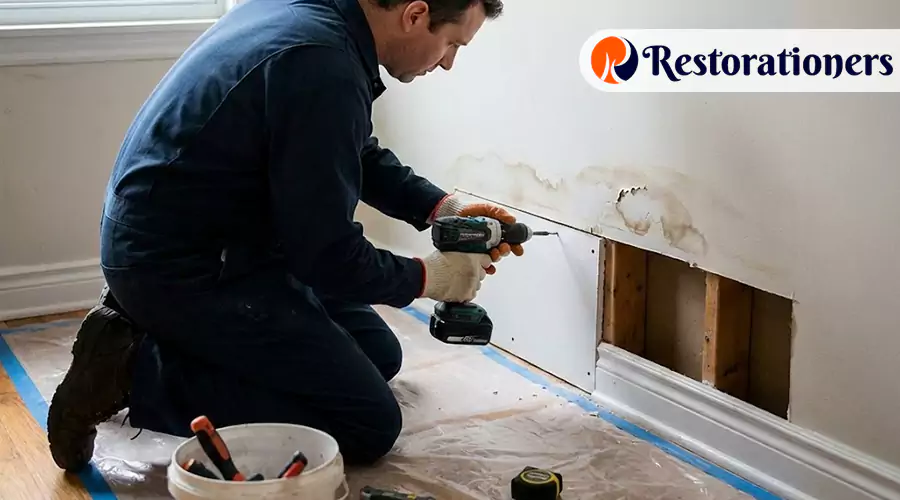
Steps to Repair Hidden Moisture and Water Leaks in Walls Before Selling Your Home
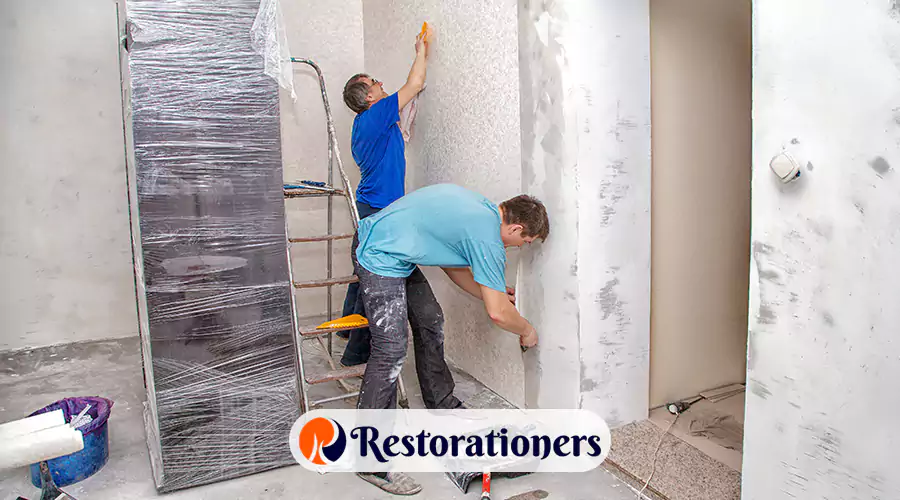
Begin by using a water leak device like a moisture meter to detect hidden water leaks to find moisture in the house and locate any leak behind drywall. Identify and seal the primary source of water leak, whether from a roof leak from inside or a water leak around the window. For the cleanup removal service, carefully cut out the affected moisture wall section to eradicate hidden moisture and prevent mold hidden growth. After ensuring all latent moisture is gone and the area is structurally sound, replace with new, dry materials to eliminate any humidity in walls and present a flawless home to buyers.
FAQs for Hidden Moisture in Walls
How can I detect hidden water damage in my walls?
Look for subtle signs like discolored spots (yellow or brown patches), peeling paint or wallpaper, a musty odor, or walls that feel soft or damp to the touch. For confirmation, use a moisture meter, the most effective tool for detecting hidden moisture.
What is the best way to find the source of a hidden water leak?
Inspect around windows and doors for failed seals. Examine ceilings for signs of a roof leak, and look near plumbing fixtures. For complex leaks, a professional plumber or building inspector may use specialized leak detection devices.
Can hidden moisture in walls cause structural issues?
Yes. Prolonged moisture buildup can compromise the wall's structural integrity. It can also corrode metal fasteners and electrical components.
Is mold always present with hidden moisture in walls?
Not always, but mold growth is extremely common when materials have been damp for more than 24-48 hours.
Do I need to replace drywall if it gets wet?
If drywall has been soaked with contaminated water, it must be cut out and replaced.
 Select Location