Leaks in plumbing are the most devastating issues that a homeowner may experience without knowing them initially. They are usually not noticed until the damage is dire because they can take place behind walls, under floors or above ceilings. Finding the leaks early is not only a maintenance activity but also a way to save your home, avoid the development of molds, and save the money spent on expenses of restoration.
This simple article clarifies how to identify potential signs of unseen leaks, the causes and effective measures to avoid significant water losses.
Why Hidden Pipe Leaks Are So Dangerous?
Even the small drip in a wall can absorb insulation and destroy framing and bend drywall. Moisture diffuses overtime to the surrounding materials, leading to structural decay and mold growth. Most of the leaks begin slowly and this is why homeowners may not find anything wrong until it starts to leave stains, odors or even sagging surfaces, when it is too late to take any action.
The negligence or lack of attention to the initial signs of trouble may result in turning a minor repair into a massive (and costly) restoration effort.
Common Areas Where Hidden Leaks Develop
Water may leak out of any section of your plumbing but some areas are particularly prone to leaks:
| Area of Home |
Why It’s Vulnerable |
Early Indicators |
| Behind Walls |
Concealed pipes, slow seepage |
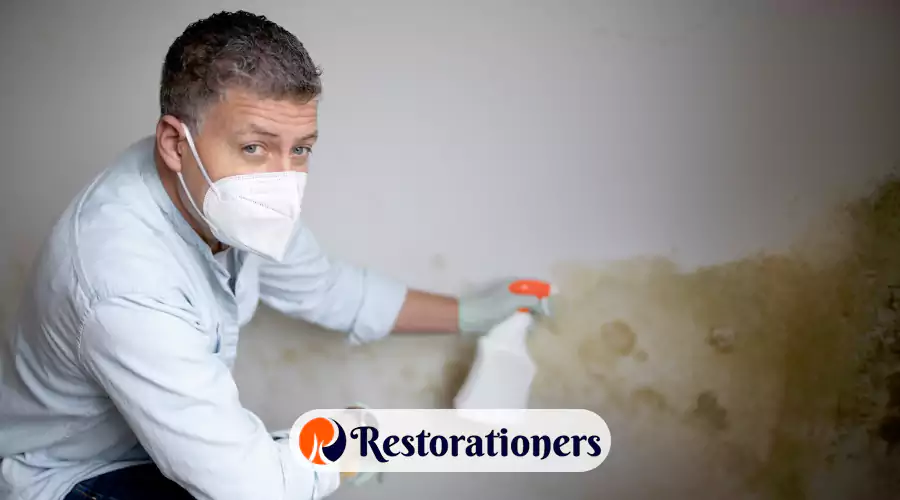
Musty odor, peeling paint, damp drywall |
| Under Floors |
Water naturally flows downward |
Warped or warm flooring, loose tiles |
| Ceilings |
Leaks from upper-level plumbing |
Yellow stains, sagging surfaces |
| Bathrooms |
Constant moisture and frequent use |
Spongy flooring, loose grout |
| Kitchens |
Hidden supply lines and appliances |
Damp cabinets, dripping sounds |
Spotting issues early in these locations helps prevent widespread structural damage.
Common Signs of Hidden Water Damage
Although water may not be seen, your house usually gives you some hints. Watch for:
- Sticky smells in rooms or behind furniture.
- Faded or stained ceilings/walls (yellow, brown or spreading rings)
- Painting off peeling or bubbling wallpaper.
- Sagging or soft drywall
- Bulged floors or wet carpets.
- Sudden increases in water bills.
- Low water pressure
- Hissing, dripping or gurgling noise in walls.
All of these symptoms should be investigated urgently.
What Causes Hidden Pipe Leaks?
Knowing what causes leaks is the first step in prevention. Here are the main culprits behind most hidden leaks:
- Corroded Pipes: Older pipes made from galvanized steel or copper may corrode over time.
- High Water Pressure: Excessive pressure can cause pipe joints to weaken and burst.
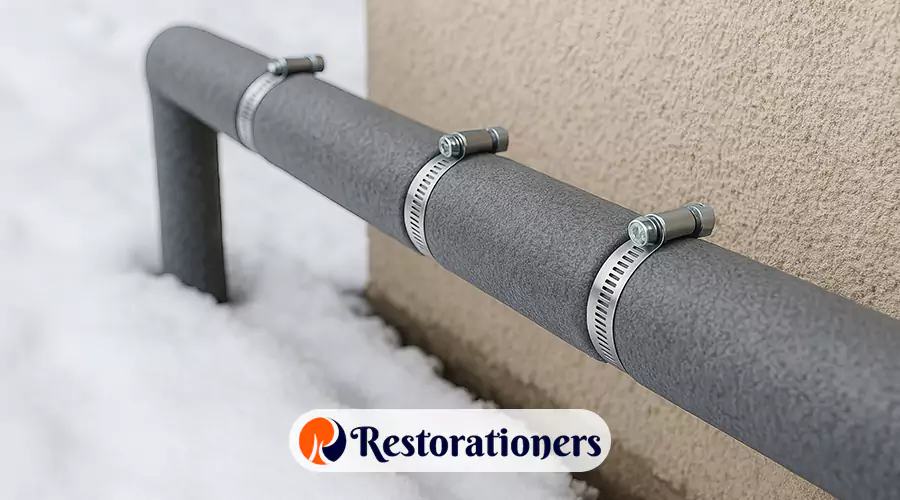
- Freezing Temperatures: Water expands when frozen, leading to cracks in your plumbing system.
- Poor Installation: Improperly fitted pipe connections may slowly drip over months or even years.
- Clogged Drains: Backups from blocked drains can create pressure build-ups that stress your pipes.
Each of these problems can result in a hidden water leak that damages your home from the inside out.
How to Detect Hidden Pipe Leaks Like a Pro
Some of the signs are detectable, but others need a more investigative approach. Here are the best methods:
1. Check the Water Meter
Switch off all faucets and appliances. Then, check your water meter. When reading varies within an hour then it is likely that you have a concealed leak.
2. Use Infrared Technology
Thermal imaging cameras are able to detect the temperature variations in the walls which can help to locate the wet parts where there could be a leak.
3. Moisture Meters
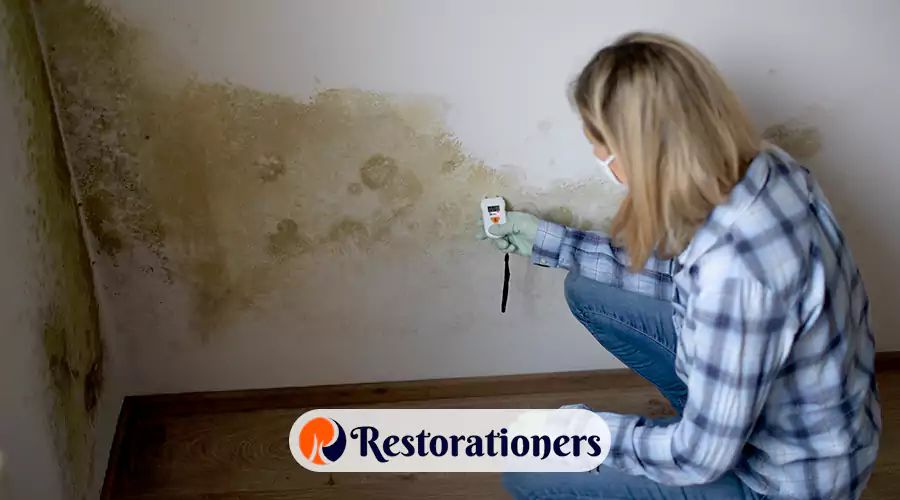
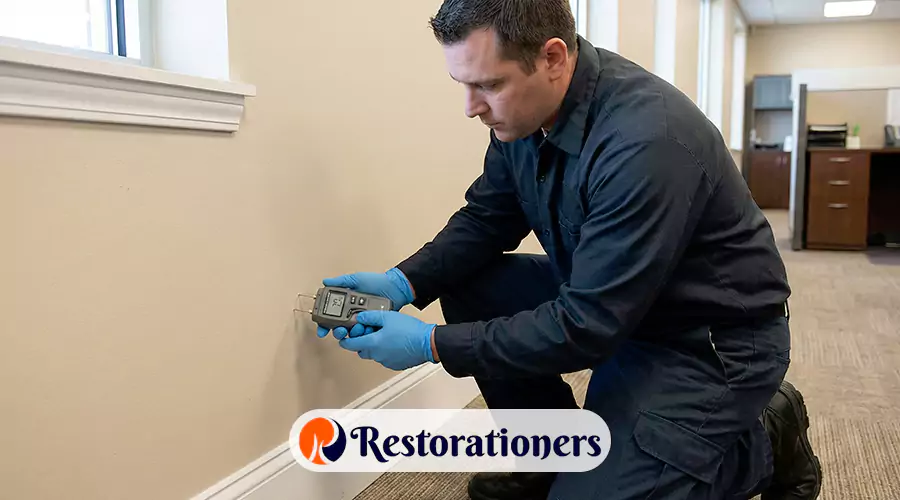
Such tools are used to check the content of moisture in building materials and are particularly useful when testing drywall and wood.
4. Check Crawl Spaces and Basements.
Bleak, moist underground areas can indicate underground plumbing leaks. Find standing water or growth of mould.
5. Contact a Leak Detection Specialist.
In some cases, the surest move is to call a certified leak detector who applies an acoustic sensor or video inspection of the pipes to determine the precise source.
Modern Tools Used for Leak Detection
Advanced equipment is usually used by professionals to detect leaks that are hidden without breaking down the walls:
- Thermal inspection cameras- show temperature variations due to moisture.
- Moisture sensors- identify dampness in building materials.
- Leak detectors sound systems - listen to water leaking through pressurized lines.
- Video pipe inspection- cameras provide internal pipe inspection.
These tools can be used to locate the exact areas of leakages resulting in less destruction during repair.
The High Cost of Ignoring Hidden Leaks
A minor, unnoticed leakage may not appear dangerous--but after some time, it can get converted into a nightmare:
- Mold infestation: Mold grows in damp conditions and may develop rapidly, which results in severe health complications.
- Structural damage: Beams, joists, and foundation can be weakened by long-term water exposure.
- Increased utility bills: Every drop lost is money wasted—especially in homes with high water pressure.
- Fire danger: Wiring exposed to water is short-circuit and poses electrical hazards.
These issues can only be brought into such large scales when they are ignored, which makes the restoration work that follows seem like it may be necessary to have to gut an entire part of your home.
What to Do If You Discover a Leak?
Act quickly to minimize damage:
- Turn off the water supply
- Document the damage for insurance
- Dry and ventilate the area to slow mold growth
- Call a licensed plumber to repair the leak
- Consult a restoration specialist if structural or moisture damage is significant
Fast action can be the difference between a simple fix and a costly restoration.
How to Prevent Hidden Pipe Leaks?
Maintenance is your ultimate weapon. Incorporate these habits:
- Arrange plumbing inspections every year.
- Keep watch of the water bills in case of abnormal rise.
- Check supply lines and check appliances.
- Bathrooms and kitchens should be ventilated well.
- Insulate pipes in cold areas
- Make sure that minor problems are fixed before it is late.
- It is much cheaper to prevent than to cure.
When to Call the Pros: Professional Leak Detection Services
Some leaks are too hidden to be fixed by DIY. That is where professional leak detecting services come in. Technologists are equipped to detect the signs of hidden leaks in pipes through the use of acoustic sensors, infrared cameras, and pressure tests that have minimum disturbances.
The employment of professionals also guarantees the comprehensive repair of the leaks in the pipes, which will secure the future problems. Professionals may also determine whether your home has suffered structural water damage and recommend on what should be done.
Conclusion: Detect Early, Prevent Disaster
Silent threats are the hidden leaks which can lead to serious structural destruction and mold growth even before the appearance of the signs. Early detection devices, active maintenance, and close supervision will ensure that you prevent expensive water damage in your home.
Keeping alert, conducting periodic inspections and engaging professional assistance when necessary will protect your property - and your sanity.
 Select Location