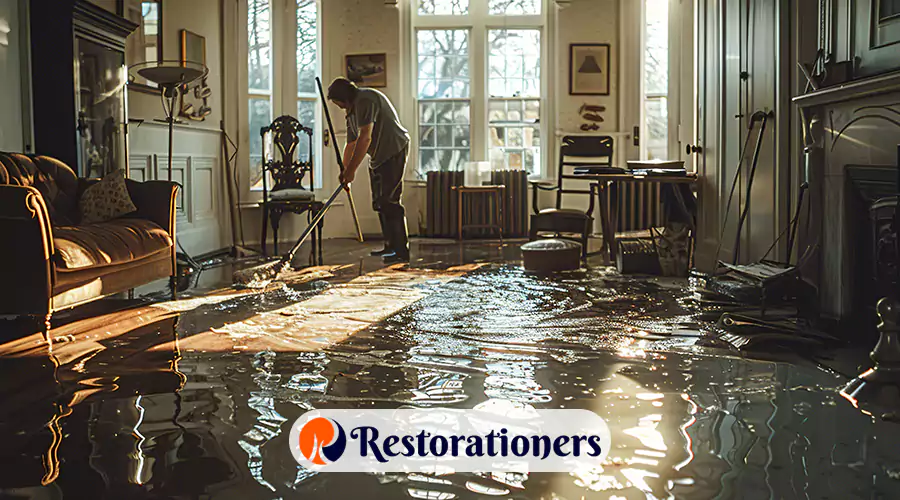
You should call a water damage restoration company immediately—and you need a crew on-site within 4 hours. The industry standard, set by the IICRC, defines this 4-hour window as the critical mitigation period. Why? Because drywall acts like a sponge, wicking moisture upward the moment it touches water. Carpet padding absorbs fluid within minutes, not hours. Professional restoration companies operating in the U.S. guarantee arrival within 60 to 90 minutes of your call, 24 hours a day, 7 days a week. Waiting until morning or “seeing if it dries on its own” does not save money—it guarantees demolition. Every hour you delay, water migrates deeper into slab foundations, baseboards, and wall cavities, turning a $500 extraction job into a $5,000 reconstruction project. The number is not subjective: 4 hours is the threshold. Call now.
The sooner you act after water damage, the faster your home can recover and the more you protect your family and belongings.John Davis
Why Timing is Critical?
The restoration industry does not deal in guesses. It deals in standards and the standard, published by the IICRC (Institute of Inspection, Cleaning and Restoration Certification), is unambiguous: water damage mitigation must begin within 2 to 4 hours of loss discovery.
The First 4-Hour Rule
This is not a suggestion. It is the benchmark against which every certified restoration company operates and every insurance adjuster measures negligence. When your policy says you have a duty to mitigate further damage, the IICRC S500 Standard is the document that defines what mitigation actually means. Arriving within four hours is the line between mitigation and demolition.
Type of Water
Clean water is not safe water and waiting because the leak came from a supply line rather than a sewer line—this classification directly impacts your response deadline. Here is what homeowners get wrong: they believe Category 1 water buys them time. It does not. Clean water turns toxic on a schedule, and that schedule is measured in hours, not days.
24/7 Emergency Water Damage Restoration Services
A true 24/7 water damage restoration service guarantees arrival within 60 to 90 minutes of your call, regardless of the time stamp. Companies that maintain this infrastructure do so because the alternative—waiting until morning—guarantees secondary damage, insurance claim denials.
The Cost of Waiting vs. The Cost of Calling
Homeowners often hesitate to call at night because they do not want to "bother" anyone or they fear emergency service premiums. Service fees are almost always approved by insurance carriers when the adjuster reviews the time stamp of the loss report. What insurance does not approve is the cost of neglect. It is classified as delayed response—some carriers may deny the claim entirely.
Key Steps to Take Immediately After Water Damage You Have Minutes, Not Hours
The first five minutes after discovering water damage determine whether your home experiences a disruption or a disaster. Homeowners who act decisively during this window save thousands of dollars and weeks of displacement. Here is exactly what to do, starting right now.
1. Turn Off the Water Source Immediately
If the water is coming from inside your home, locate the nearest shutoff valve and close it. If you cannot locate the specific valve, close the main water shutoff for the entire house. If water is entering through storm-related intrusion, do not risk injury attempting exterior repairs in lightning or high winds. Move valuable items to higher elevations, clear debris from known drainage paths if safe, and await professional extraction. Your safety supersedes property preservation. Always.
2. Contact Emergency Restoration Services
This is the step where homeowners make the most expensive mistake of the entire process. They call their insurance agent first. The agent does not carry extractors; neither can arrive in 60 minutes. Call the restoration company first. A certified water damage restoration technician should be dispatched to your property while you are still on the phone with your insurance carrier. Immediate dispatch accomplishes stopping water migration, establishing drying protocols, preventing mold germination and creating insurance-grade documentation.
3. Document the Damage for Insurance
Insurance claims are approved or denied based on evidence. However, documentation should never delay mitigation. The Insurance Information Institute provides a comprehensive homeowners claim checklist. Reference it after the emergency phase concludes.
4. Avoid Using Electrical Appliances
Water seeks ground. Electricity seeks ground. When they find each other inside your walls, the result is fire, shock, or electrocution. If standing water is present and you cannot confirm the breaker panel is dry and accessible, do not enter the water. Call emergency services. Unplug appliances in dry areas only. Do not touch cords or plugs that are wet or lying in water.
Comprehensive Water Damage Restoration Services
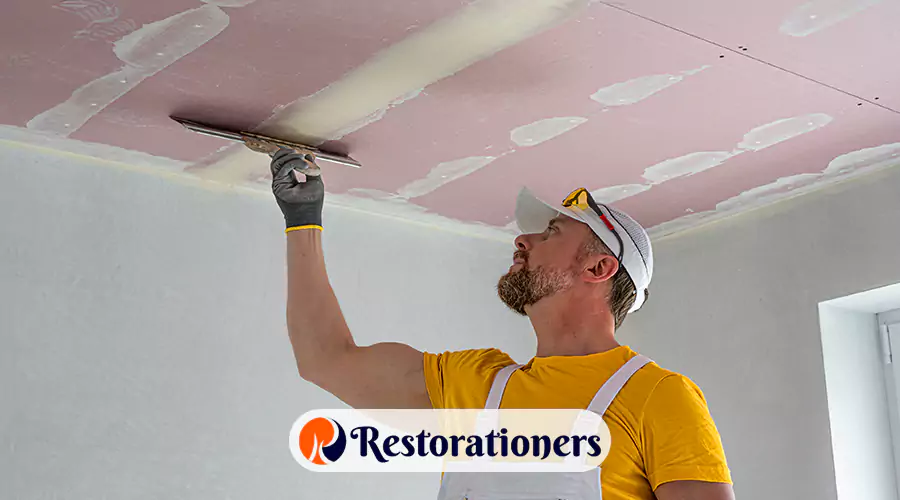
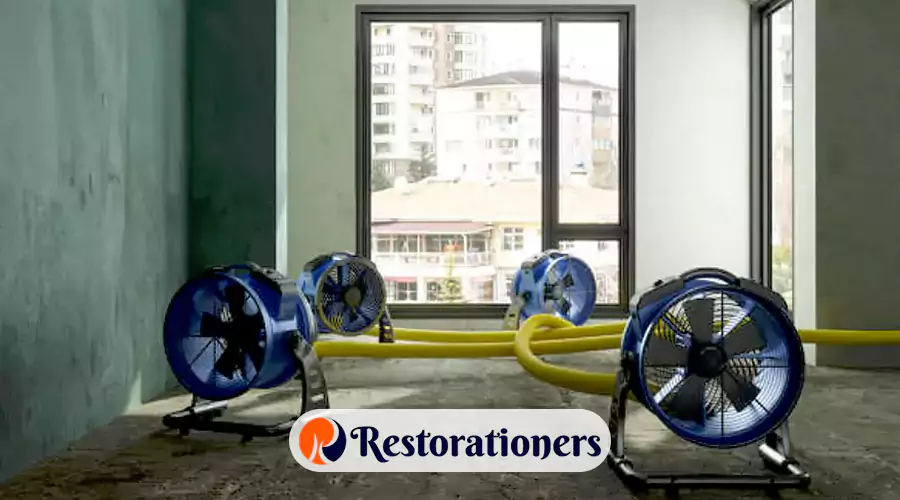
Professional water damage restoration isn't just about drying an area, it's a systematic approach to reversing damage and preventing long-term issues. Below, we break down the specific services designed to address every stage of water damage, ensuring you can find the right solution for your emergency.
1. Emergency Water Extraction
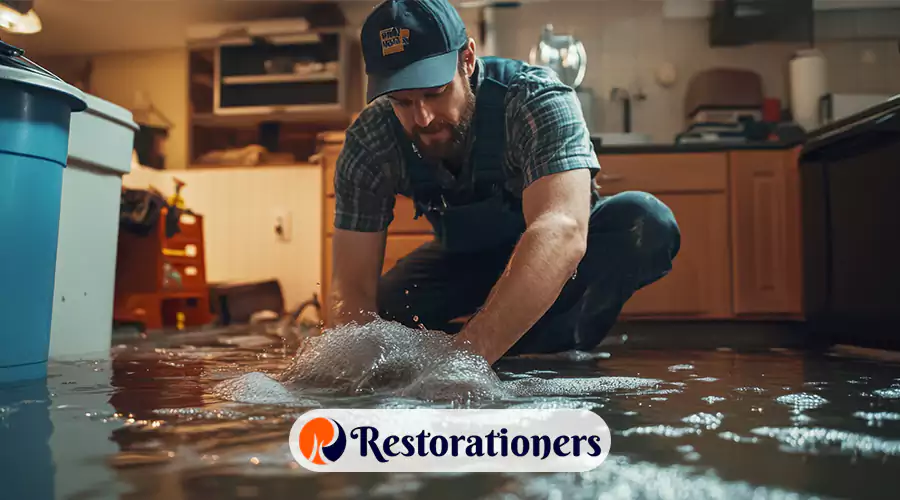
The moment water enters your home, it begins saturating materials and seeping into cracks. Emergency water extraction is the critical first step to stop this progression. Technicians use industrial-grade pumps and truck-mounted vacuums to remove standing water quickly, which significantly reduces the pressure on your floors and walls. Fast action here is the primary defense against widespread structural issues.
2. Professional Flood Cleanup
Floodwater, often categorized as "black water," contains contaminants and requires a specialized cleanup process. Professional flood cleanup services involve not only water removal but also the safe disposal of unsalvageable materials and sanitization of affected areas. For those facing natural disasters, FEMA provides guidelines on handling contaminated water, which professionals adhere to strictly to ensure your safety.
3. Water Mitigation
After the bulk water is gone, the focus shifts to water mitigation. This involves containing the damage to prevent it from spreading to unaffected areas of your home. By setting up barriers and using negative air pressure, technicians isolate the impacted zone. This step is crucial for protecting your HVAC system and electrical wiring from secondary damage caused by lingering humidity.
4. Mold Remediation and Prevention
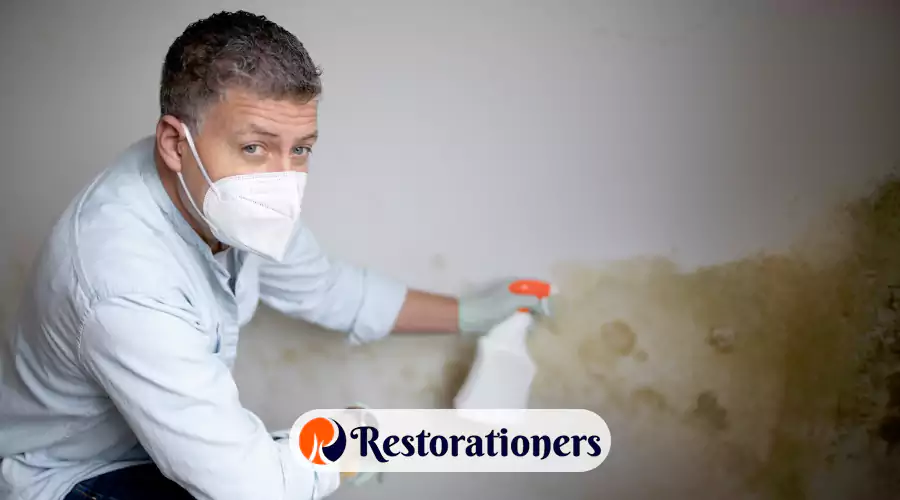
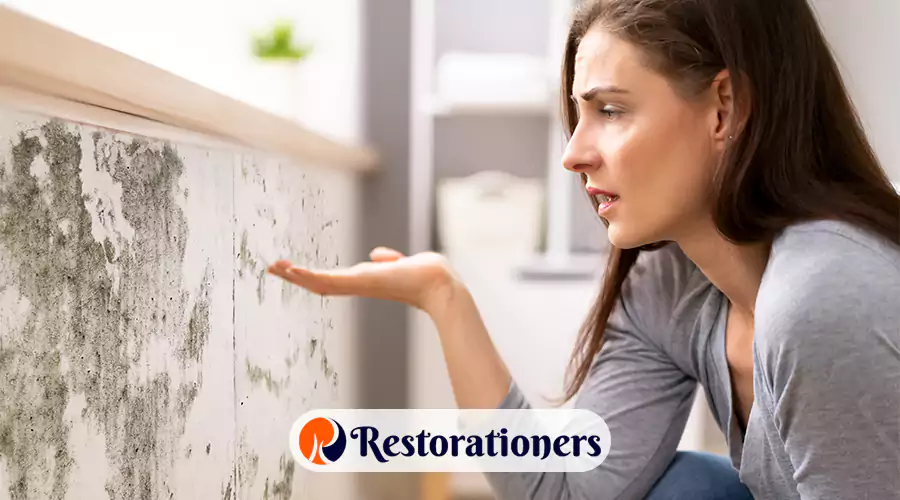
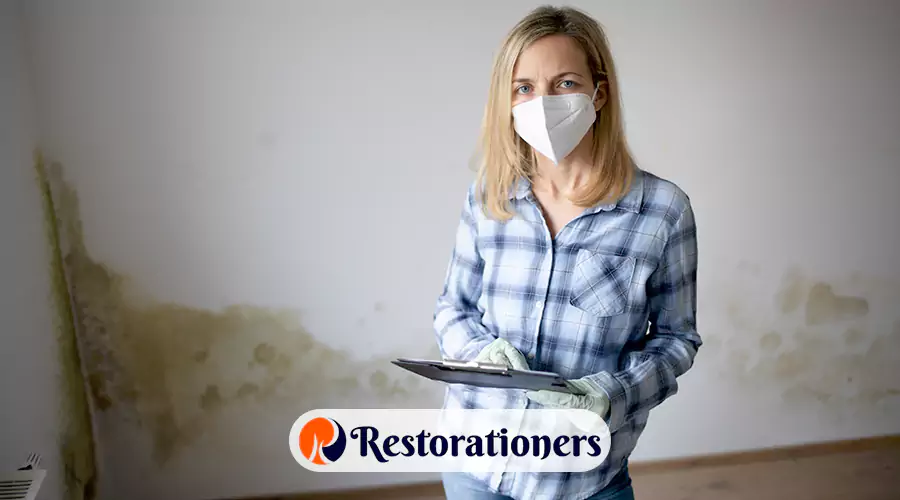
Mold spores are always present in the air, but they only colonize in moist environments. Because mold can begin to develop within 24 hours, mold remediation and prevention is integrated into the restoration timeline. Professionals apply antimicrobial treatments to all affected surfaces and use air scrubbers to filter out spores, ensuring that your indoor air quality remains safe for your family.
5. Leak Detection and Repair Services
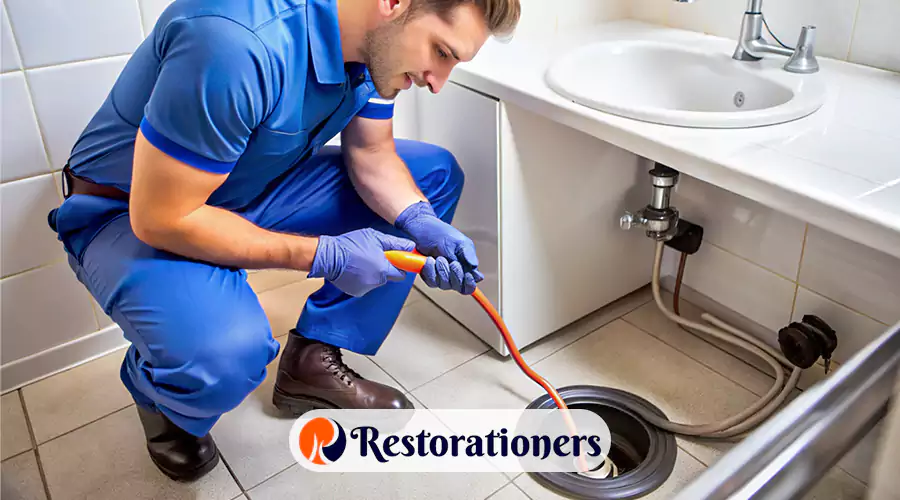
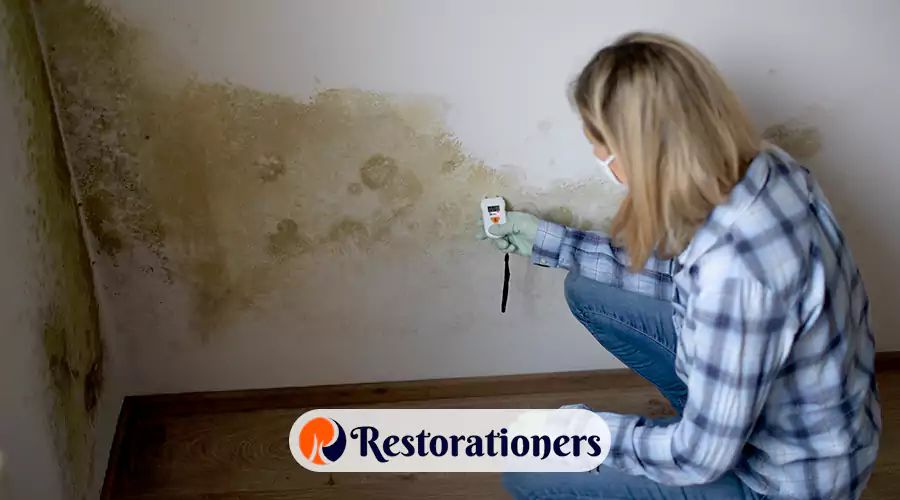
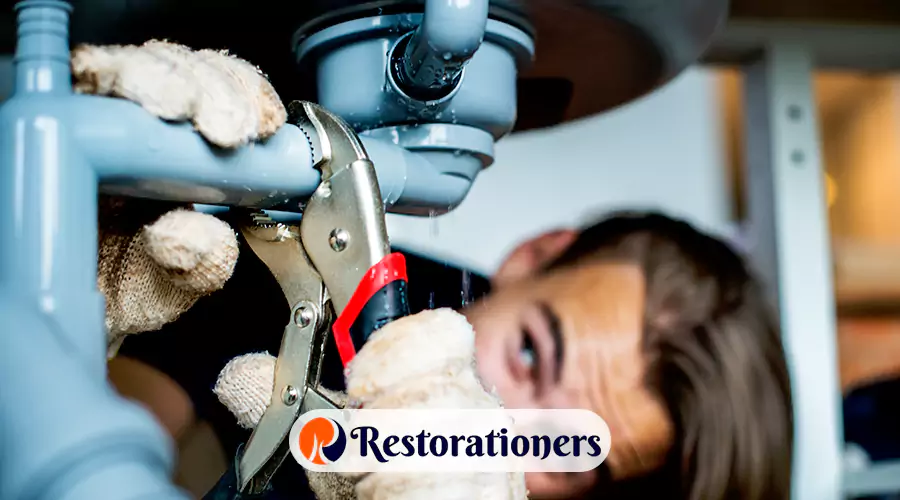
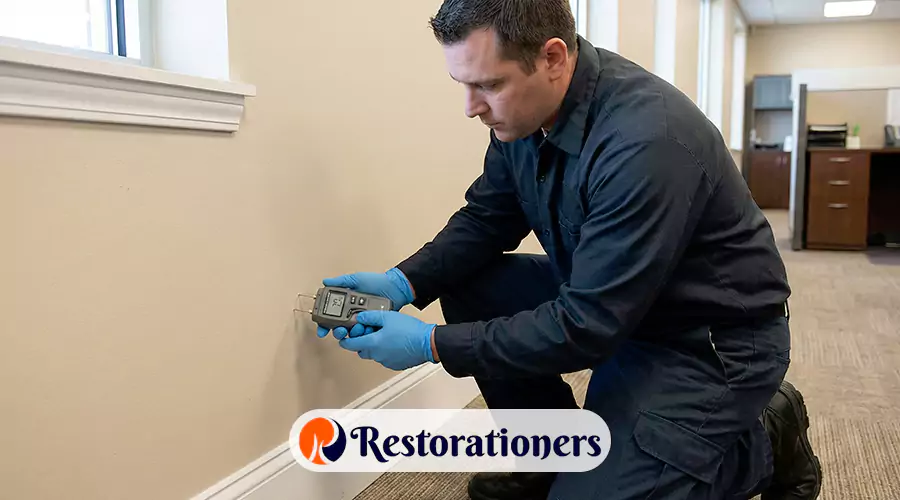
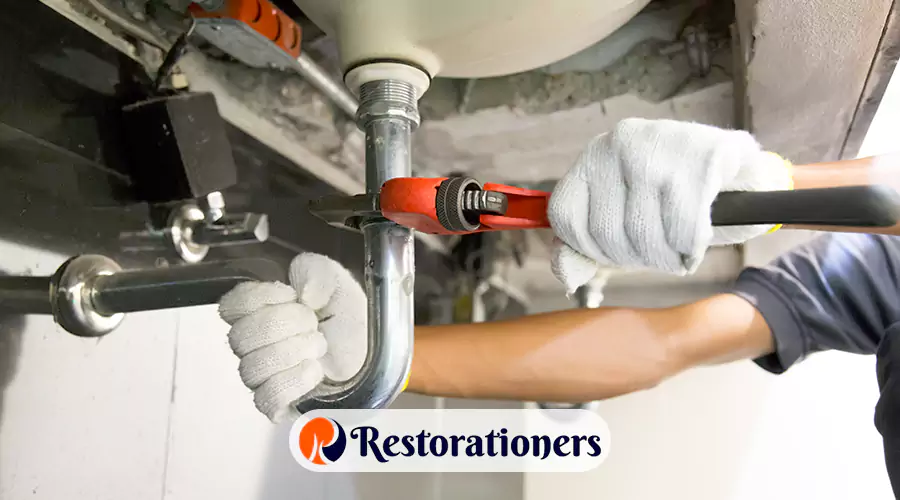
Hidden leaks behind walls or under flooring can cause significant rot and attract pests. Leak detection and repair services utilize thermal imaging and moisture meters to locate the source of the problem without unnecessary demolition. Once located, the team coordinates with plumbing or roofing specialists to seal the leak and address the source of the water intrusion permanently.
6. Storm Damage Restoration
Severe weather can overwhelm drainage systems and compromise the structure of your home. Storm damage restoration addresses the unique challenges of weather-related events, including fallen debris, wind-driven rain, and rapid flooding. This service often overlaps with your homeowner's insurance claims process, making it essential to work with a provider experienced in documenting damage for U.S. insurance adjusters.
Conclusion: Don’t Fight the Clock Call the Experts
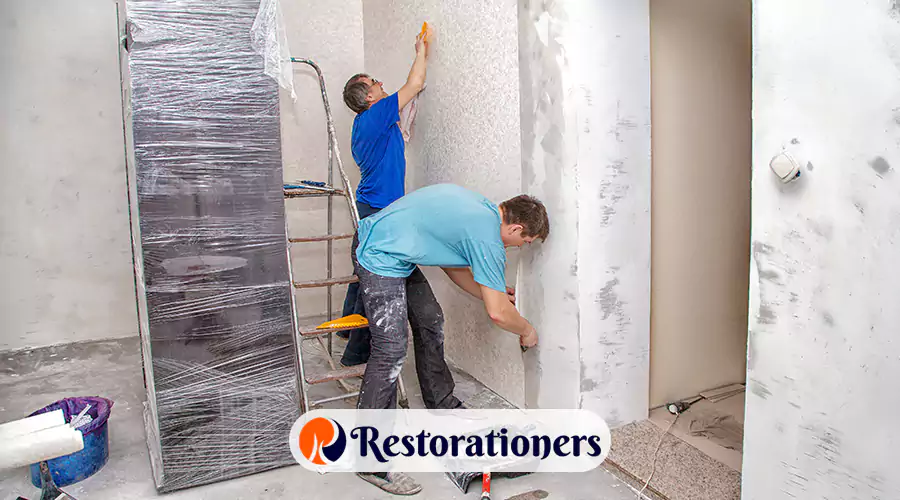
Water damage is a relentless opponent that operates on a strict timeline. Trying to handle this alone often leads to incomplete drying, hidden damage, and claims disputes. Don't fight the clock. Call the experts who understand the urgency. From emergency water extraction to coordinating direct billing with your insurance, professional restoration teams are equipped to handle the entire lifecycle of the disaster. They bring the certified technicians, the industrial drying logs, and the rapid estimate turnaround needed to get your life back on track.

If you are facing a water emergency right now, don't wait. Contact us for 24/7 immediate assistance and protect your home from further damage.
Frequently Asked Questions
How long does it take to fully dry out a house after a flood?
The complete drying process typically takes 3 to 5 days for a standard water damage scenario. Extracting the water quickly within the first 24 hours is the key to meeting this timeline.
Can a house with water damage be saved?
Yes, modern restoration techniques and industrial drying equipment can salvage porous materials like drywall and hardwood floors if treated within the first 48 hours. Acting immediately is the primary factor that determines whether a house is restored or requires extensive rebuilding.
Does homeowners insurance cover water damage from a leaky faucet?
Coverage depends entirely on the source of the water and the maintenance history. However, damage resulting from a long-term, unrepaired leaky faucet is typically not covered by standard homeowners insurance policies. This distinction highlights why prompt leak detection and repair are essential.
How do professionals detect water behind walls?
The primary tool professionals use is a moisture meter, which measures the moisture content in building materials. They also use thermal imaging cameras (infrared) to detect temperature differences caused by evaporating water behind surfaces. These tools, combined with experience, allow technicians to pinpoint the exact extent of the damage.
 Select Location