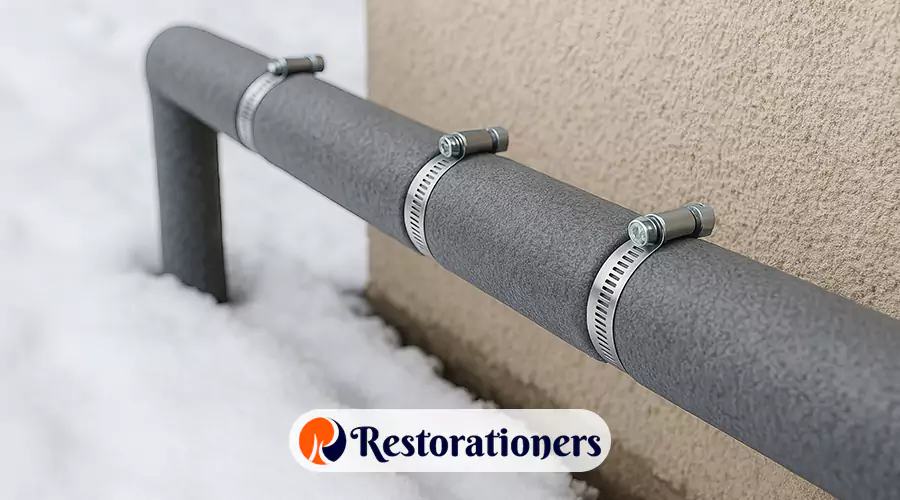
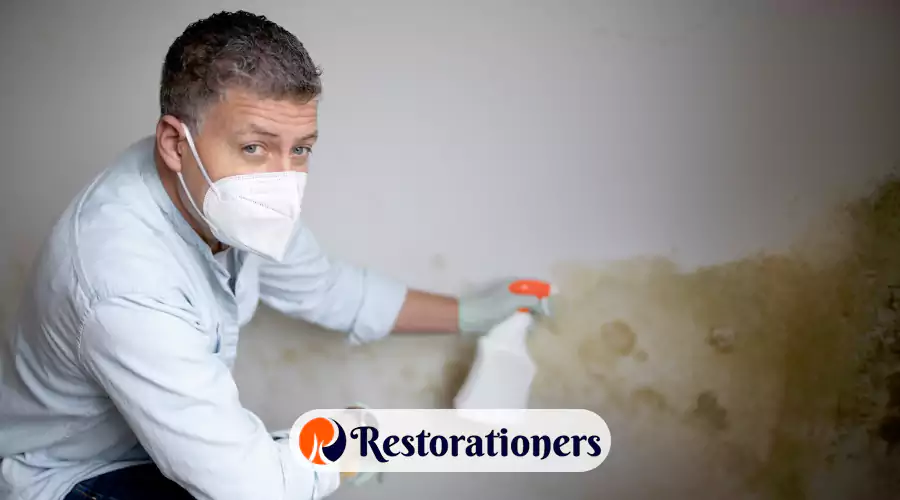
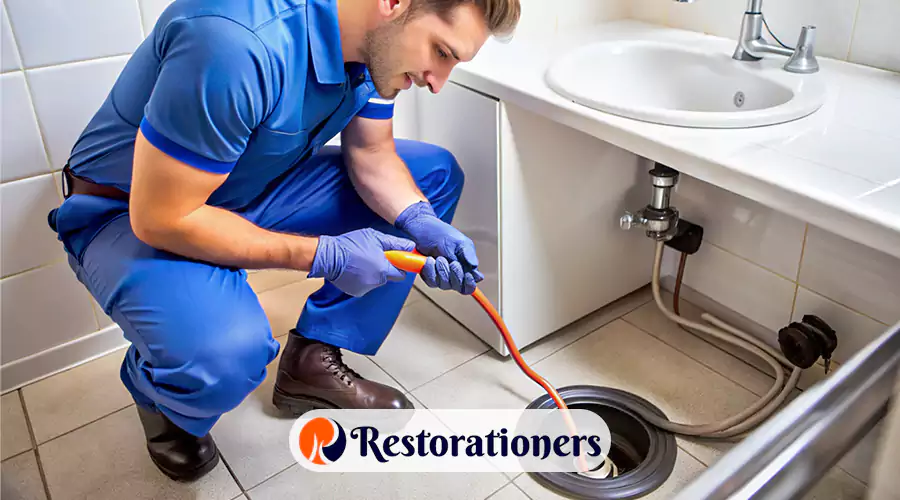
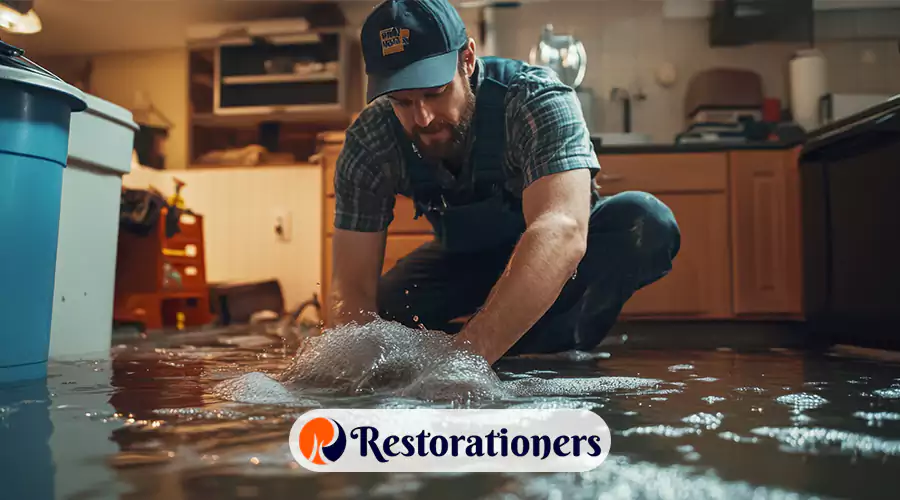
Burst pipes are a leading cause of home damage during winter, but they’re also one of the easiest problems to prevent. You don't need to be a plumber to protect your home, you just need a plan. From insulating exposed pipes to simple indoor tricks, here is everything you need to know to keep your plumbing safe and sound this winter.
“Protect your pipes this winter—insulate, monitor, and act fast to avoid costly water damage.”John Davis
Understanding the Causes of Frozen Pipes
Knowing why pipes freeze helps you stop them before they burst. It all starts with a simple science lesson.
1. Why Pipes Burst?
When water freezes it expands and ice acts like a plug, creating massive pressure inside your pipe. Something has to give, and usually, the pipe splits.
2. The Main Culprit: Temperature
It’s simple. If the pipe gets cold enough, and the water sits long enough, you get ice. Even a thin layer can cause big problems.
3. High-Risk Pipes
Not all pipes freeze the same. Some are way more at risk. Hose bibbs and sprinkler pipes sit fully exposed outside with no protection. Pipes in unheated spots like basements, crawlspaces, attics, and garages chill fast without warmth. Plumbing pipes along exterior walls like in kitchens or bathrooms lets cold seep in.
How to Identify Vulnerable Pipes in Your Home?
1. Check the Danger Zones
Cold air sneaks in where you least expect. Start with basements and crawl spaces like dark, drafty, and uninsulated. Attics trap freezing air even in heat rising. Garages stay cold with no heat hiding water lines. Kitchen and bathroom cabinets conceal pipes along exterior walls.
2. Look for Trouble Signs
Don't wait for a burst, instead spot these warnings now. Frost on the pipe means ice is building; act fast. Strange bangs or gurgles signal blockages. Weak water flow from faucets shows ice inside. Swollen cracks or bulges mean it's about to blow.
Top Tips to Protect Your Pipes from Freezing
You do not need to be a plumber to stop burst pipes. A few simple tricks can save you thousands in water damage. Here is a quick-reference guide to the most effective ways to keep your plumbing safe all winter long.
| Tips |
What to Do |
Why it Works |
| Insulate Exposed Pipes |
Wrap pipes in basements, crawl spaces, and garages with foam pipe sleeves. |
Keeps the heat in and the cold out. It is cheap and easy. |
| Use Heating Cables |
Wrap pipes with thermostatically controlled heat tape or cables. |
Turns on automatically when it freezes. Perfect for super cold spots. |
| Seal the Gaps |
Fill cracks and holes where pipes enter the home with caulk or spray foam. |
Blocks cold drafts from sneaking in and hitting your pipes. |
| Keep the Heat On |
Set your thermostat to at least 55°F, even when you are on vacation. |
Maintains a steady temperature so pipes never get cold enough to freeze. |
How to Prevent Frozen Pipes in Unheated Areas?
Some parts of your home just do not get warm. Basements, crawl spaces, and garages are the most common places for frozen pipes. Here is how to protect the spots:
1. Insulate Exterior Walls and Unheated Spaces
Check your walls, attic, and crawl space. If they lack insulation, cold air hits your pipes directly. Add fiberglass or spray foam insulation to keep the warmth in.
2. Maintain Consistent Indoor Temperatures
Set your thermostat to one steady temperature. Do not let it drop at night or when you are gone. A consistent temp keeps the heat flowing to those cold spots.
3. Add Space Heaters for Critical Areas
Got a freezing crawl space or basement Plug in a space heater. Point it toward the most vulnerable pipes. Just make sure it is safe, stable, and away from anything that could catch fire.
Preparing Your Outdoor Plumbing for Winter
The outdoors hits freezing first. Disconnect every hose outside and let it drain completely. Find the shut-off valve inside your home that controls the outdoor faucet and turn it off. Then open the outside faucet to let leftover water drain out. This stops water from freezing inside the pipe. Then get a foam faucet cover (at any hardware store). Apply it over the outdoor spigot and secure it tight. It is a cheap fix that blocks freezing air and protects the pipe behind the wall.
What to Do If You Suspect a Frozen Pipe?
Ice can form fast, but you can catch it early. If you think a pipe is frozen, act quickly and carefully. Here is how to spot trouble and fix it without causing a flood.
Early Warning Signs of Frozen Pipes
Your home will tell you something is wrong, so you need to know what to look for. The very first sign is often the simplest: you turn on the faucet and nothing comes out, or just a weak trickle. As you move keep your eyes peeled for frost forming on exposed pipes. You might also notice strange sounds coming from the walls, like banging or clanking. If you catch a weird or foul smell coming from a drain, that usually means the pipe is blocked by ice and waste can't escape. Spot any of these signs, and you know it is time to act fast.
How to Thaw a Frozen Pipe Safely?
If you find a frozen pipe, the first thing you should do is turn on the faucet. Because keeping it open allows water to flow and helps melt the ice faster. From there, you need to apply gentle heat to the frozen section, and the safest way to do that is with a hair dryer or a heating pad. Start working slowly from the faucet and end it back toward the blockage. You should never, under any circumstances, blow a torch or open flame, as this can overheat the pipe and start a fire. As the ice begins to melt and water pressure builds, keep a close eye on the pipe for any small leaks or drips, since the pressure can find weak spots and turn a small problem into a big flood.
Emergency Steps to Take If a Pipe Bursts
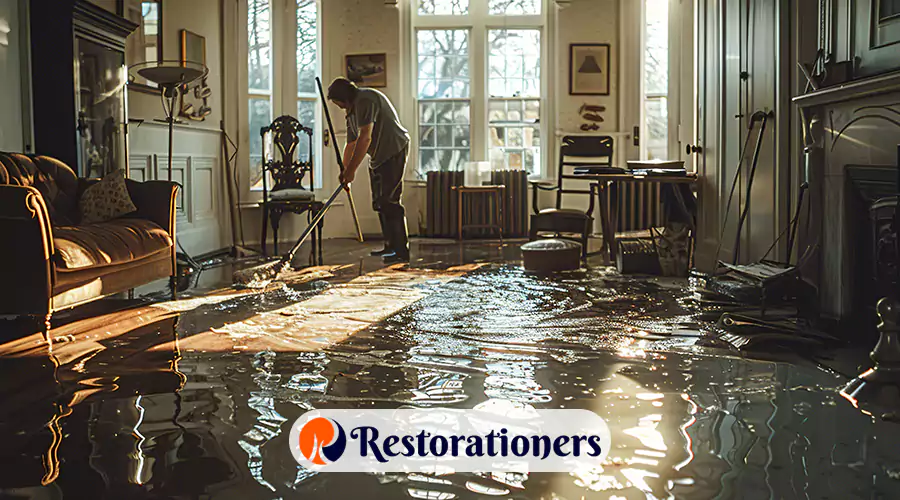
But sometimes, despite your best efforts, a pipe still gives way and bursts, and in that moment you need to move fast and stay calm. Your very first step is to shut off the main water valve immediately to stop the flow, and if you cannot find it or reach it in time, open all the faucets to relieve pressure and drain the system. Next, turn off the electricity in any wet areas to avoid shock, then grab towels, buckets, or a wet-dry vacuum to soak up standing water before it seeps into floors and walls. Once the immediate mess is under control, call a Pro right away because the faster you act, the less money you will spend on repairs.
Professional Plumbing Help is Essential During Winter
Dealing with a burst pipe in the moment is stressful, but you know what is better? Never having to go through that chaos at all. That is where a professional plumber comes in before the cold hits. A plumber knows exactly where to look for trouble, spotting weak spots, small cracks, and hidden pipes you never knew existed so you can catch problems early and avoid surprise floods. They also offer Winter Storm Damage Restoration services and have the tools and tricks to get your home winter-ready, installing proper insulation, setting up heating cables the right way, and draining outdoor systems completely. Think of it as a simple tune-up for your home that keeps the water flowing and the pipes solid all winter long.
The Cost of Winter Pipe Protection
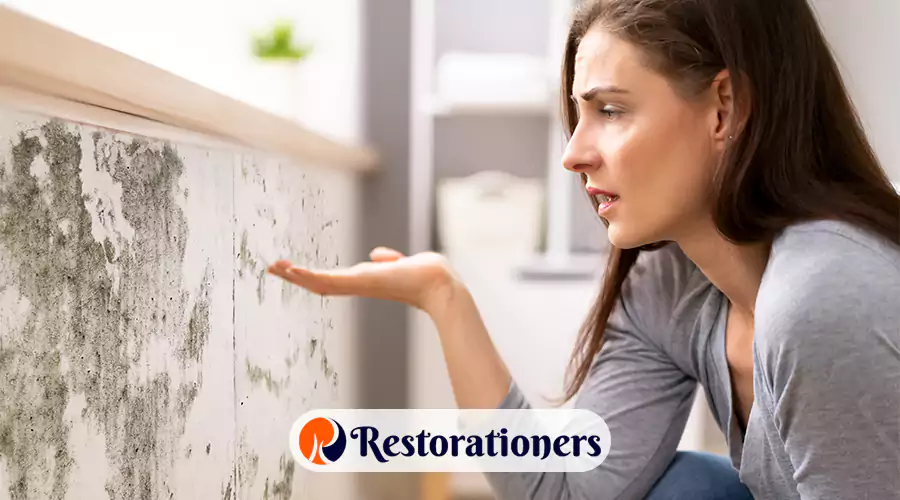
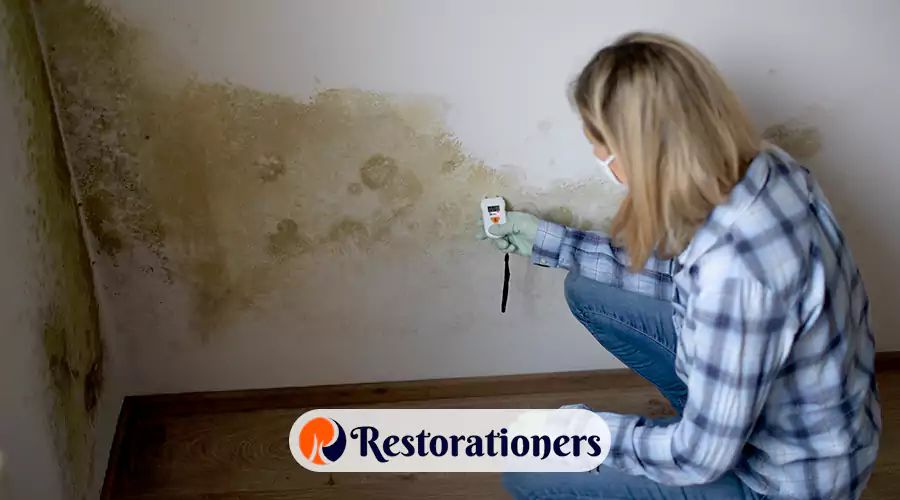
Let's talk about money. You might look at foam pipe sleeves, heating cables, and caulk and wonder if it is worth the trip. The answer is yes. A few dollars on foam insulation can cover dozens of feet of exposed pipe. Heating cables run anywhere from twenty to fifty bucks, and a can of spray foam sealant costs less than a pizza. Even if you hire a plumber for a full winterization checkup, you are looking at a couple hundred dollars. Now compare that to a burst pipe. The average water damage claim runs into the thousands, and that does not even include the hassle of contractors, mold remediation, and weeks of living in a construction zone. Spend a little now or a lot later. The choice is yours. But when you add it up, pipe protection is the cheapest insurance you’ll ever buy.
Conclusion
The cold weather does not wait for anyone. But the good news is you are now ready for it. From spotting vulnerable pipes and adding insulation to calling in a pro for the tricky stuff, every step you take cuts your chances of waking up to a flooded basement. You do not need to be a plumber to protect your home. You just need a plan, the right tools, and the willingness to act before the temperature drops. So grab some foam sleeves, seal those gaps, and let a professional handle the rest if you need it. Your pipes, your wallet, and your family will thank you when the snow starts falling. Stay warm and stay dry.
Frequently Asked Questions
How can I tell if my pipes are at risk of freezing?
Look for pipes in unheated areas, check along exterior walls and inside cabinets. If you see frost on the pipe or get little to no water from the faucet during cold weather, act quickly.
How much does it cost to insulate pipes?
Foam pipe sleeves cost less than a dollar per foot. A few dollars can cover an entire basement. Heating cables typically cost around twenty to fifty dollars. Even if you hire a plumber, insulation is still inexpensive compared to the cost of flood cleanup.
Should I leave my faucet running in freezing temperatures?
Yes, letting a small trickle of cold water run can help protect your pipes. Moving water freezes much slower than standing water. It costs only pennies a day but can prevent serious damage.
 Select Location