Dealing with a sewer backup is stressful, but knowing the sewer backup repair cost upfront helps you prepare and respond fast. Sewer backup repair typically ranges from $500 to $2,000, with final prices depending on severity and required services.
For homeowners across the United States dealing with basement flooding or sewage line failure, understanding the national average cost for emergency cleanup, water damage restoration, and plumbing repairs is critical. This guide provides itemized pricing for sewer backup mitigation and preventive solutions.
“Understanding sewer backup repair costs today can prevent financial shock tomorrow.”John Davis
Understanding Sewer Backups
Sewer backups occur when wastewater cannot flow freely through the main sewer line, forcing it to reverse and flood homes or property. Sewer backup causes vary widely but commonly include blockages from tree roots, grease buildup, or pipe damage like cracks and collapses. Spotting these promptly can help us prevent major damage and costly repairs.
What is a Sewer Backup?
Sewer backup repair is a multi-phase emergency restoration and plumbing service required when waste water from a main sewer line or septic system reverses flow and enters a home. Cost to fix sewer backup averages $500–$2,000 for minor, but major sewer line repairs can hit $2,000–$15,000+ depending on damage extent and location.
Common Causes of Sewer Backups
A sewer backup is often caused by tree root infiltration, where roots seek moisture and grow into small pipe cracks, leading to major blockages and pipe damage. Clogged pipes from grease buildup, debris, or flushed foreign objects are another frequent culprit, restricting wastewater flow and sometimes requiring Water Leak Detection Services to identify hidden breaks or pressure issues. This problem is severely worsened by older, damaged, or collapsed sewer lines, which can break down from age, shifting soil, or poor installation; a collapsed pipe traps wastewater and creates pressure that forces sewage back into your home.
Costs Breakdown
Understanding the key elements is essential for accurate budgeting. Several key factors determine the total expense, including the problem’s scope and the materials involved.
Average Sewer Backup Repair Cost by Primary Cause & Solution
Understanding the root cause of your sewer backup is the most direct way to estimate repair expenses and required solutions. Below is a breakdown of the most common causes, their typical repair focus, and associated cost ranges.
| Primary Cause |
Solution |
Cost (in USD) |
| Main Sewer Line |
Power Rodding |
350 - 1,200 |
| Tree Root Intrusion |
Trenchless Pipelining |
1,200 - 5,000 |
| Broken Sewer Pipes |
Excavation to locate the break |
3,500 - 15,000 |
| FOG |
Hydro-jetting |
400 - 1,500 |
| Heavy Rain |
Sump pump installation |
2,000 - 12,000 |
7 Primary Cost Factors for Sewer Line Backup Repair
Here are the seven critical variables that influence final pricing for sewage cleanup and plumbing repairs, including cost implications for homeowners.
1. Severity of Damage & Affected Square Footage
The single greatest cost driver is the scale of contamination. A small sewer backup in a utility sink costs far less than a basement flood impacting drywall, flooring, electrical systems, and personal belongings.
2. Contamination Level
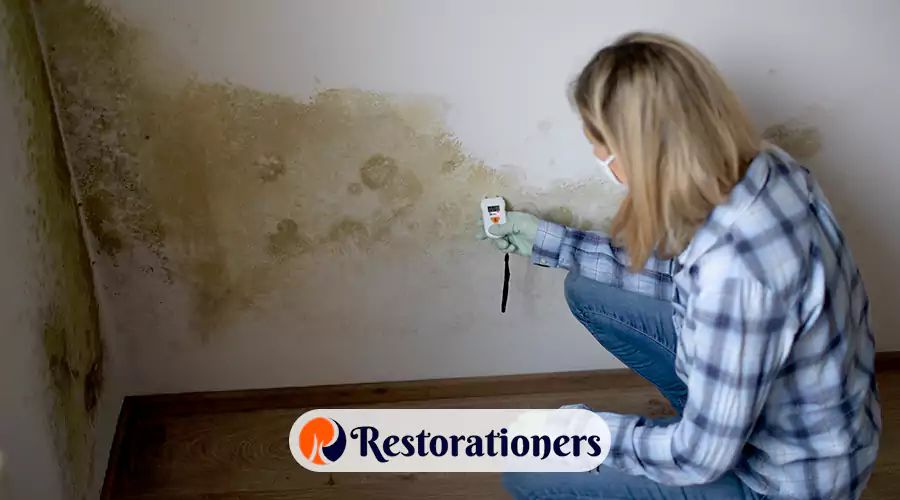
Clean water from a washing machine overflow is less costly to remediate than gray water (appliance runoff) or hazardous black water from a main sewer line, which contains pathogens and requires professional biohazard cleanup, antimicrobial treatments, and specialized disposal.
3. Sewer Pipe Line & Repair Method
Sewer repair costs vary drastically by pipe material with prices starting at $2–$3 per linear foot for PVC (modern and easy to repair) or $3–$11 for ABS, up to $20–$75 for older cast iron (prone to root intrusion and collapse), and $30–$80 for copper excluding labor and installation.
4. Professional Cleaning, Sanitization & Dehumidification
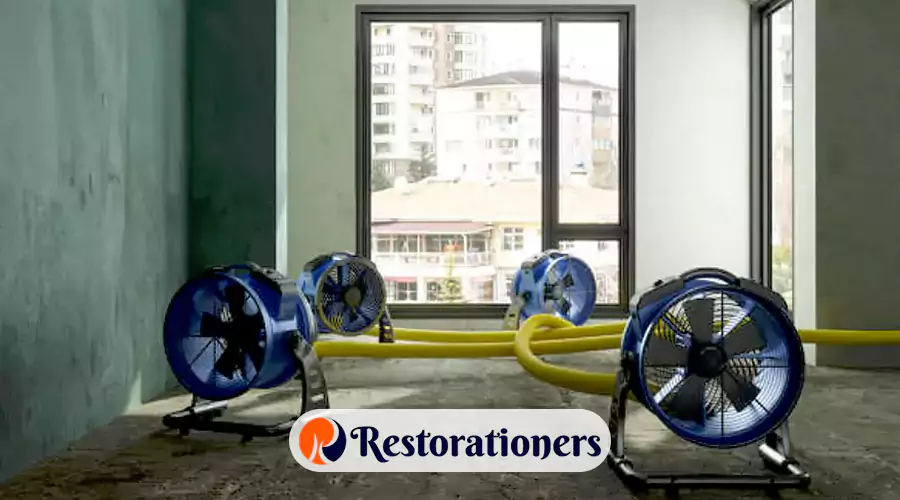
Post-extraction, the area must be dried, sanitized, and deodorized to prevent mold growth. This involves industrial air movers, and EPA registered antimicrobial treatments.
5. Local Building Inspections & Permit Fees
In most U.S. municipalities, major sewer line repairs or replacements require plumbing permits and inspections. Permit costs are based on project valuation; adding an essential line item to your budget.
6. Landscape & Hardscape Restoration
After excavation, this includes sod replacement, concrete driveway repair, sidewalk replacement, and garden restoration.
7. Emergency Service Surcharges
Emergency plumbing services on weekends or holidays incur premium rates. Labor cost increases by 1.5x - 2x of standard rate.
Sewer Backup Cost by Location
These cities frequently report high incidences of sewer issues based on sewer backups, overflows, clogs, and repair data.
| City |
Average |
Lowest |
Highest |
| St. Louis, MO |
$ 253 |
$ 125 |
$ 500 |
| Philadelphia, PA |
$ 434 |
$ 100 |
$ 1700 |
| Milwaukee, WI |
$ 239 |
$ 149 |
$ 400 |
| Portland, OR |
$ 994 |
$ 100 |
$ 6300 |
| Miami, FL |
$ 415 |
$ 140 |
$ 1275 |
| Houston, TX |
$ 388 |
$ 85 |
$ 2600 |
| Boston, MA |
$ 321 |
$ 160 |
$ 670 |
| New York, NY |
$ 435 |
$ 125 |
$ 1500 |
| Los Angeles, CA |
$ 638 |
$ 95 |
$ 4000 |
| Chicago, IL |
$ 485 |
$ 150 |
$ 2200 |
Proactive Essential Steps to Avoid Costly Sewer Backups
Protecting your home from a devastating sewer backup involves proactive maintenance and smart habits. Implementing these prevention strategies can save thousands in emergency repair and sewer damage restoration costs while safeguarding your property.
Never flush "flushable" wipes, paper towels, feminine products, or diapers. Avoid pouring cooking fats, grease and oils (FOG) down kitchen sinks. Use sink strainers to catch food scraps.
A backflow valve is a one-way gate installed on your main sewer line that automatically closes if sewage starts to reverse, crucial for homes in low-lying areas.
Before planting new trees, know the location of your underground sewer lateral. Avoid planting water-seeking species (like willows) near lines.
Perform monthly hot water flushes for kitchen drains and use enzyme-based cleaners to break down organic matter.
Annual sewer line inspection from a video camera by a licensed plumber allows you to see inside your pipes. It can identify early warning signs.
DIY vs. Professional Sewer Backup Repair: A Critical Comparison for Homeowners
Understanding the stark contrast between a do-it-yourself attempt and hiring certified professionals is essential when facing a sewage emergency. DIY Sewer Backup Repair typically is a high risk and temporary relief effective only for minors. Professional Sewer Backup Repair is a comprehensive and permanent solution. They don't just clear the line, they identify and permanently fix the underlying issue to ensure sewer backup repairs meet local plumbing code standards.
Final Thoughts:Proactive Action Protects Your Home & Wallet
Delaying necessary sewer line repairs or ignoring early warning signs evaluates for a full pipe replacement. Stay proactive with maintenance. Stay protected with knowledge. Now is the time to schedule a diagnostic inspection with a licensed, insured plumbing professional in your area. Protect your home’s value, your family’s health, and your financial well-being with a single, informed call.
 Select Location