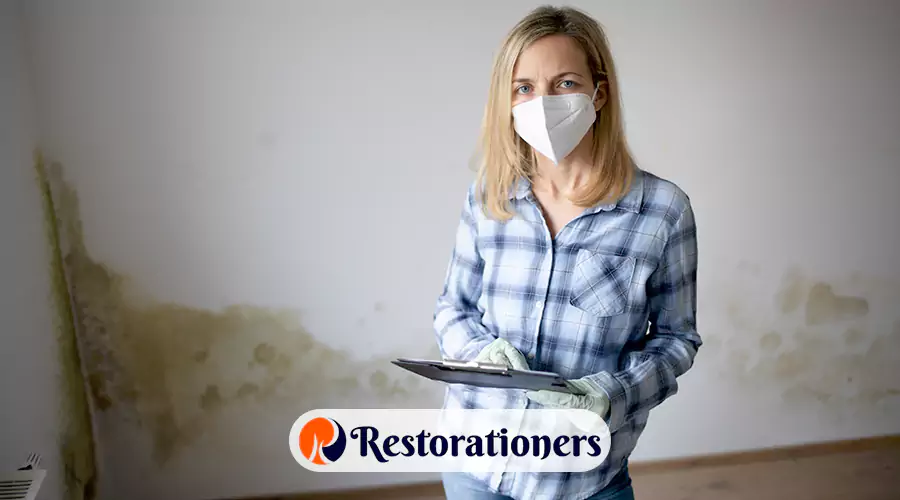
Burst pipe is one of the most stressful emergencies for the homeowners. Improper handling of a burst pipe can damage doors and walls, leading to mold growth. However, instead of panicking, knowing exactly what to do in the first few minutes can make the difference between a quick cleanup and a costly, months-long water restoration project. In this guide, we will explain what to do exactly at home when a pipe bursts.
“Act fast when a pipe bursts: shut water, remove standing water, and call a pro to prevent costly damage.”John Davis
Why Do Pipes Burst in Homes?
Most pipe failures are not sudden. In fact they are the result of ongoing issues around your plumbing systems. Below are the common causes of burst pipes and preventive actions.
| Cause of Burst Pipe |
Ex Post Factos |
Warning Signs |
Preventive Tips |
| Freezing Temp. |
Water freezes and expands creating pressure that cracks the pipe |
No water flow, unusual bulging on pipes |
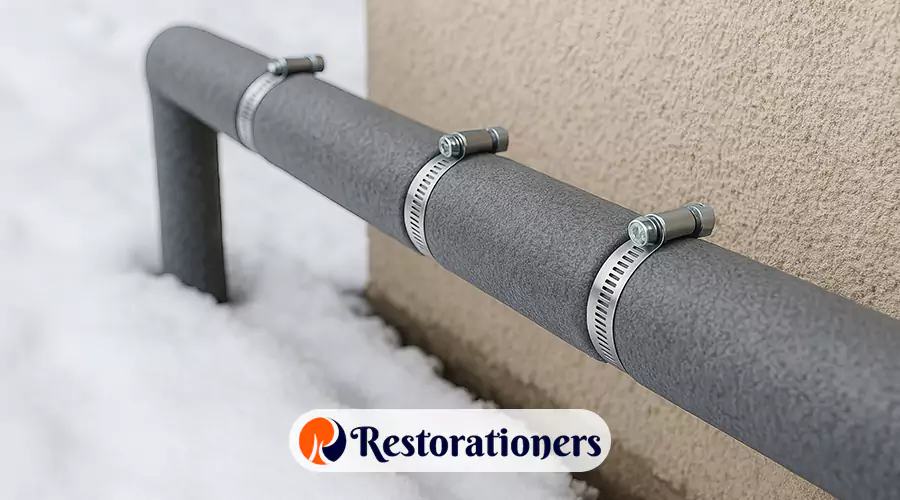
Keep indoor heat consistent, insulate indoor pipes |
| Aging & Corrosion |
Pipes become thin due to rust or mineral buildup |
Discolored water, small leaks |
Replace old galvanized pipes |
| High Water Pressure |
Pressure fails the pipes joint |
Loud banging sounds, hose damage |
Install pressure regulator |
| Tree Root Intrusion |
Roots crack underground pipes |
Slow drain, soggy yard areas |
Regular line inspection, root barrier installation |
| Pipe Joint Failure |
Connections loose or deteriorate overtime |
Water stains near fittings, or dripping at connections |
Secure loose fittings, replace connectors |
Understanding these helps homeowners prevent plumbing emergencies and reduce the water damage repair costs.
What to Do If Pipes Burst in Your Home?
Seeing any of these signs means a water pipe is broken. Here are the practical steps to take:
1. Shut Off the Main Water Supply Immediately
The first and most important step when a pipe bursts is stopping the water flow. Locate your main water shut-off valve. Turn the valve (clockwise) to stop water. This step helps prevent further flooding and limits water damage to your property.
2. Turn Off Electricity in Affected Areas
If water is near electrical outlets, or your breaker panel, electricity becomes a serious safety risk. Turn off the power to the affected areas. If the breaker panel itself is wet, do not approach it. Call an electrician or emergency services instead.
3. Drain Water From the Pipes
After shutting off the main water supply, open all faucets in your home. Flush toilets and turn on both hot and cold taps. This helps drain remaining water from the pipes and reduces pressure to prevent additional leaks or bursts.
4. Identify the Burst Pipe Location
After shutting off all the taps, search the point where the pipe has burst. Look for visible signs as water stains, dripping ceilings, bulging drywall, or damp cabinets. Knowing the exact location helps plumbers work faster and prevents damage during repairs.
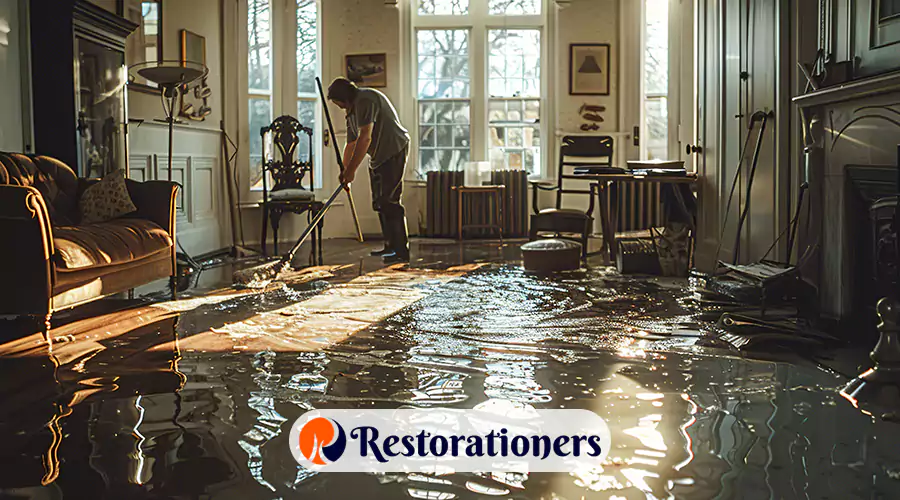
5. Clean Up Standing Water Quickly
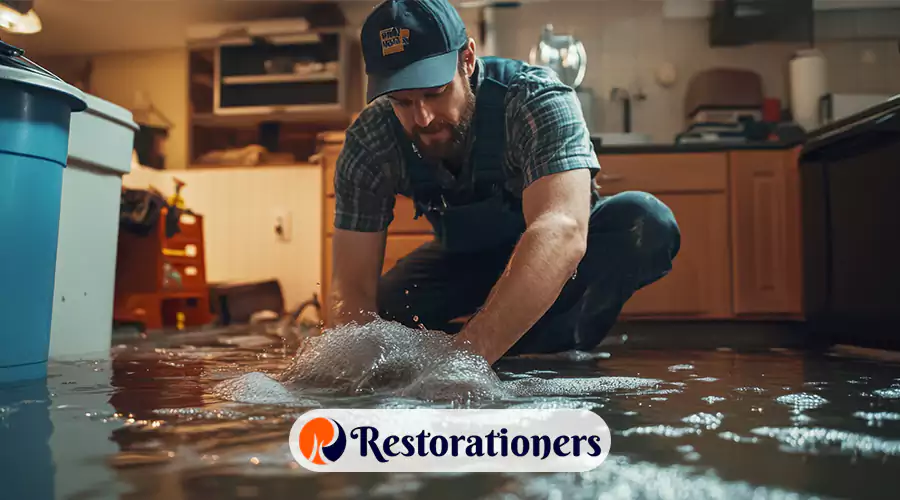
Stagnant water poses a major threat to your home adding permanent damage to your belongings. The faster you clean, the lesser are the chances of mold growth and structural damage.
6. Open Doors and Windows to Increase Airflow
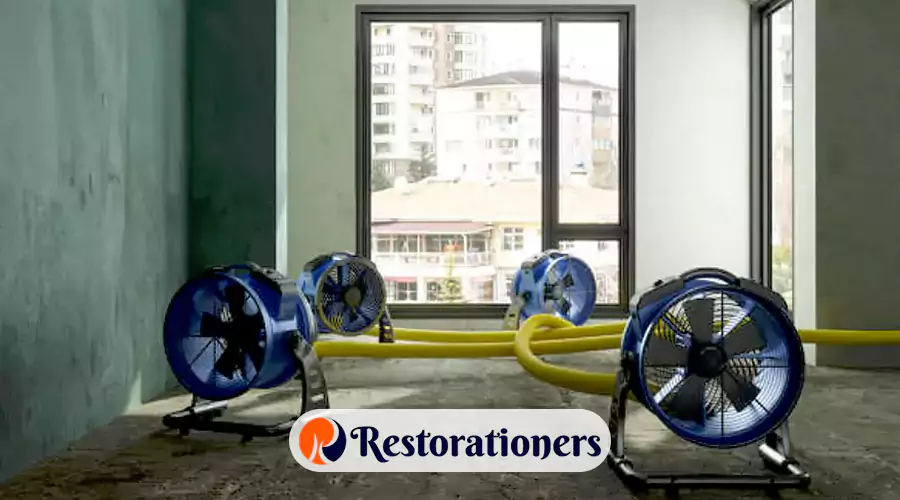
Get air moving; proper ventilation dries wet areas faster and helps stop moisture from lingering and further damage. Using fans and dehumidifiers helps stop mold growth and drying materials fast.
7. Document the Damage for Insurance Purposes
Take photos and videos of all visible damage including the burst pipe itself. The more detailed your documentation, the quicker your claim moves through.
8. Call a Pro
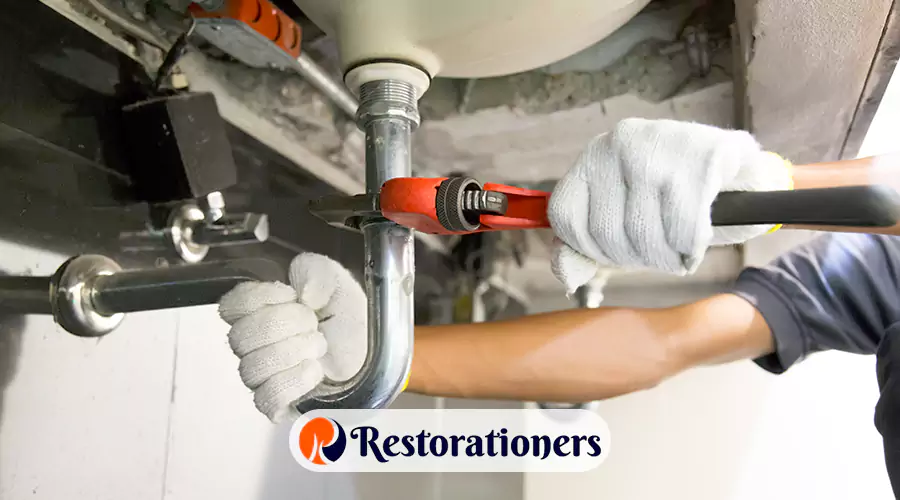
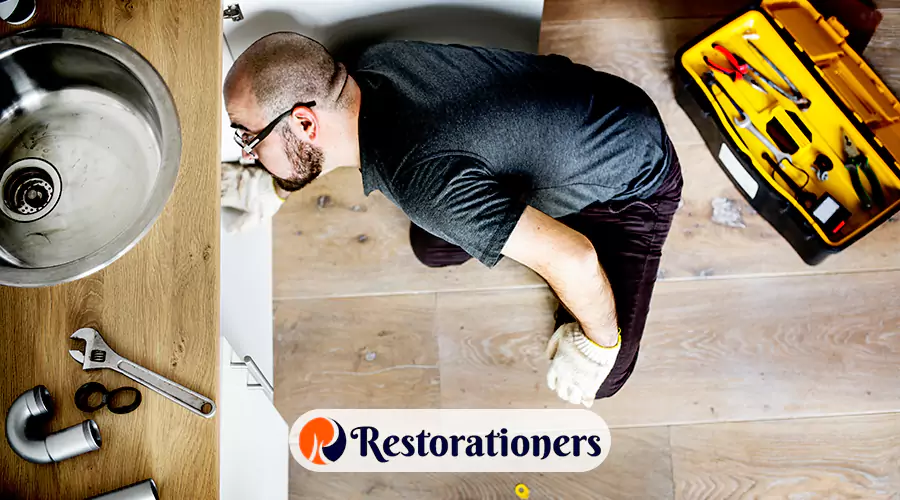
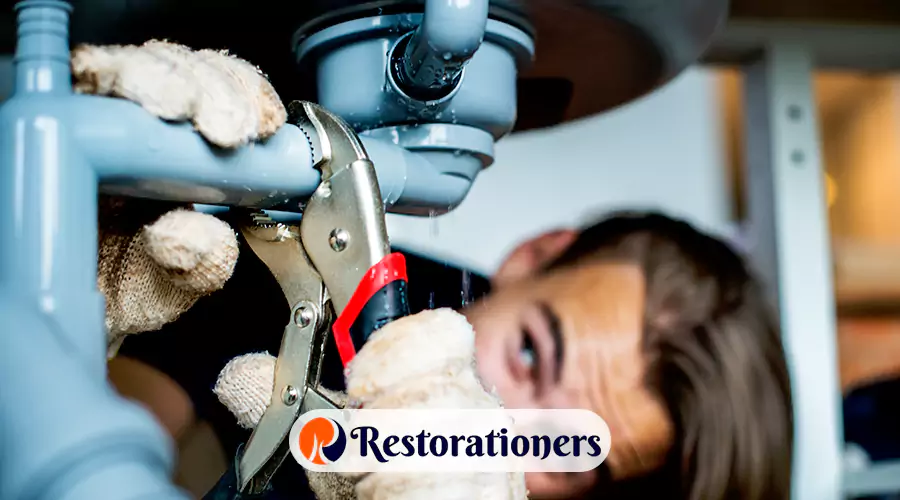
A burst pipe requires professional repair; temporary fixes are not long-term solutions. Call a pro who offers Water Leak Detection Services, will repair or replace the damaged pipe, test your system, and ensure no additional leaks are present.
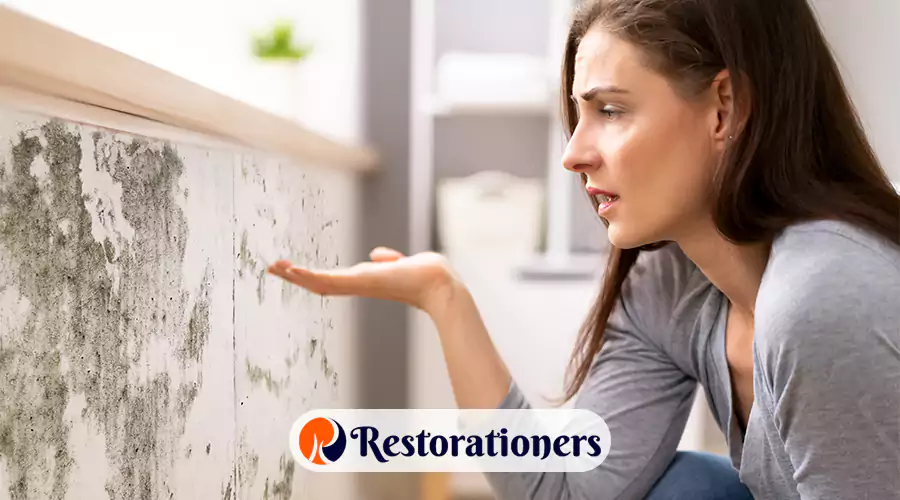
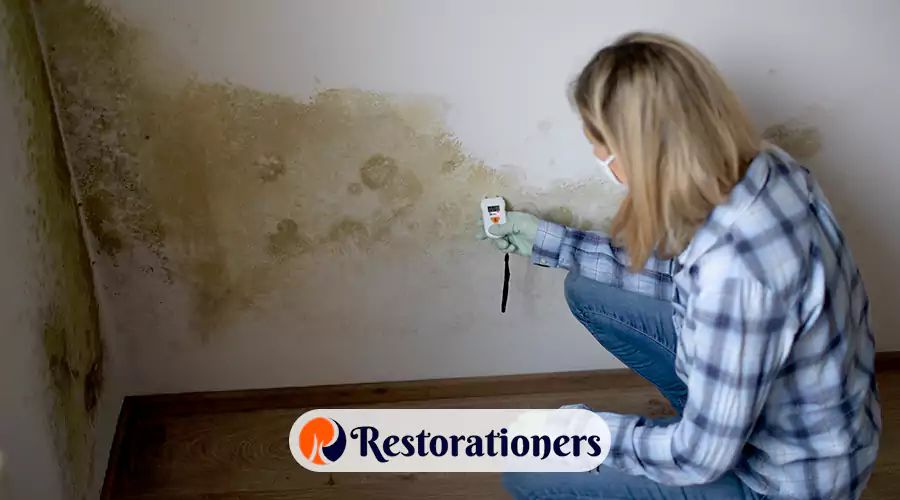
9. Watch for Signs of Mold and Structural Damage
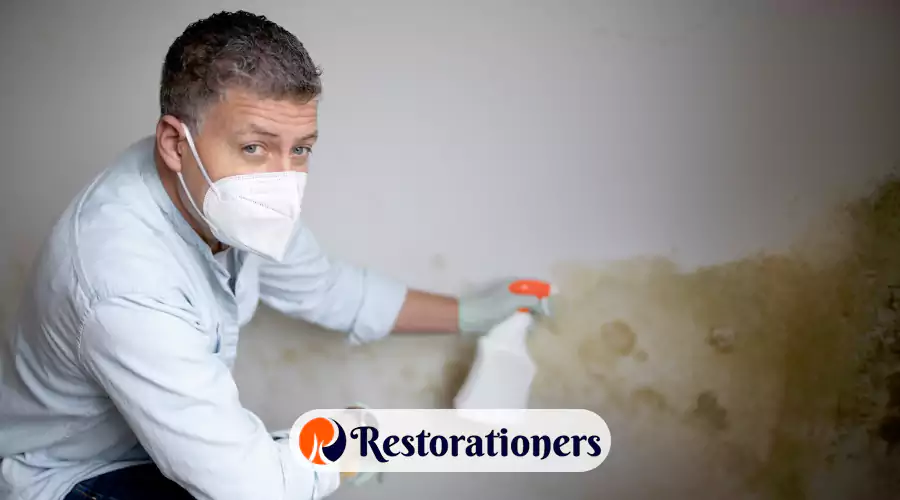
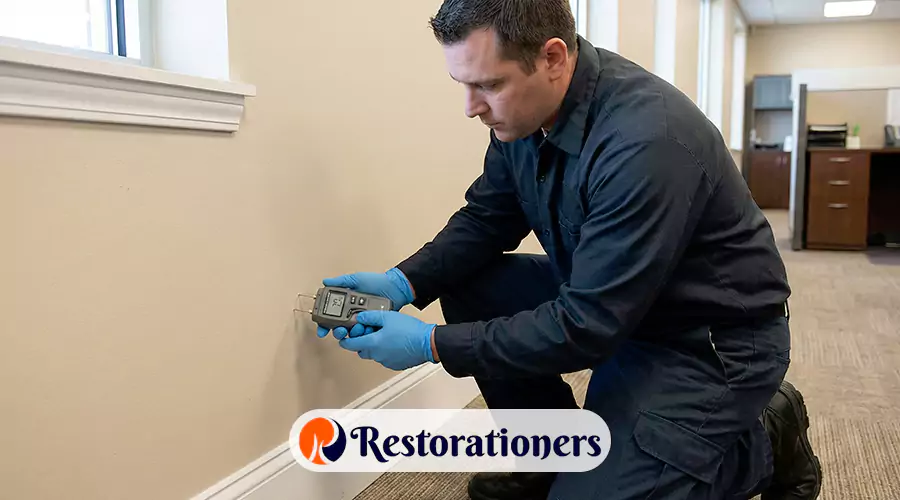
Don’t stop monitoring just because the water is gone, hidden moisture can linger in walls and floors after cleanup. Check daily over the next few days for musty odors, discoloration, or warped flooring. Professional water damage restoration teams often follow standards set by organizations like IICRC to ensure proper drying and mold prevention.
10. Install the New Pipe
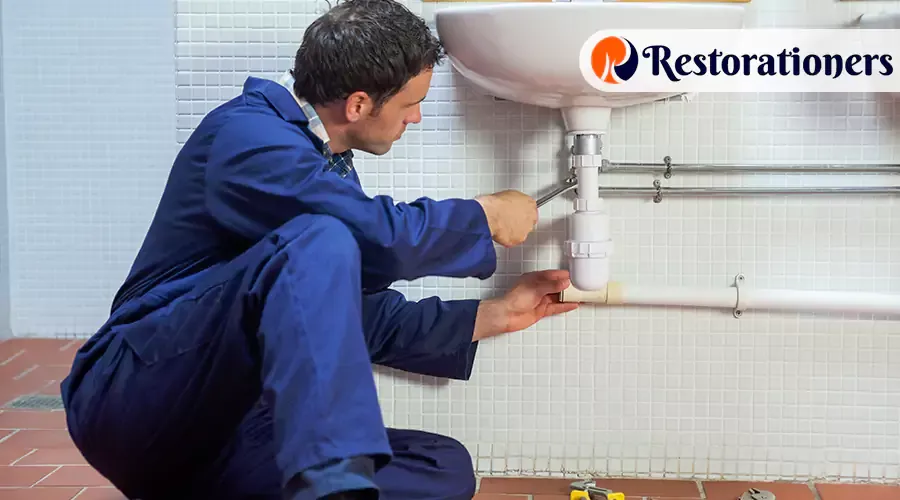
Dealing with a burst pipe and installing a new pipe section is the final recommended solution instead of repairing the old pair. Once securely fitted, slowly open the main water valve, check thoroughly for leaks and monitor the newly installed pair for 24 - 48 hours. If you’re not fully confident,contact the plumber.
Final Thoughts
A burst pipe is stressful, but taking swift action makes all the difference. Turn off the water, keep yourself safe, get rid of standing water and moisture, and call the Pros. These immediate steps will prevent your home from costly and long-term consequences.
Frequently Asked Questions
What are the most common signs of a burst pipe?
Wet spots on surfaces, unusual dripping, musty odors, increased water bill, or visible water stains/discoloration.
What should I do immediately if a pipe bursts?
Shut off the main water supply, turn off electricity to affected areas (if safe to avoid shock hazards). Move valuables, open faucets to drain the system, and remove excess water. Call a licensed plumber for emergency repair and document everything with photos/videos for insurance.
Does homeowners insurance cover burst pipes?
Yes. Standard U.S. homeowners policies cover sudden and accidental water damage from a burst pipe (as per policy limits). However, damage caused by neglect, age, or gradual deterioration is typically not covered. Always check your policy and contact your insurer promptly.
Why do pipes burst, and how can I prevent it?
Main causes include freezing temperatures, high water pressure, corrosion, clogs, or tree roots. Prevent issues by insulating exposed pipes, keeping home temperatures above 55°F, installing a pressure regulator, maintaining steady water flow, and scheduling regular plumbing inspections—especially in older homes.
 Select Location